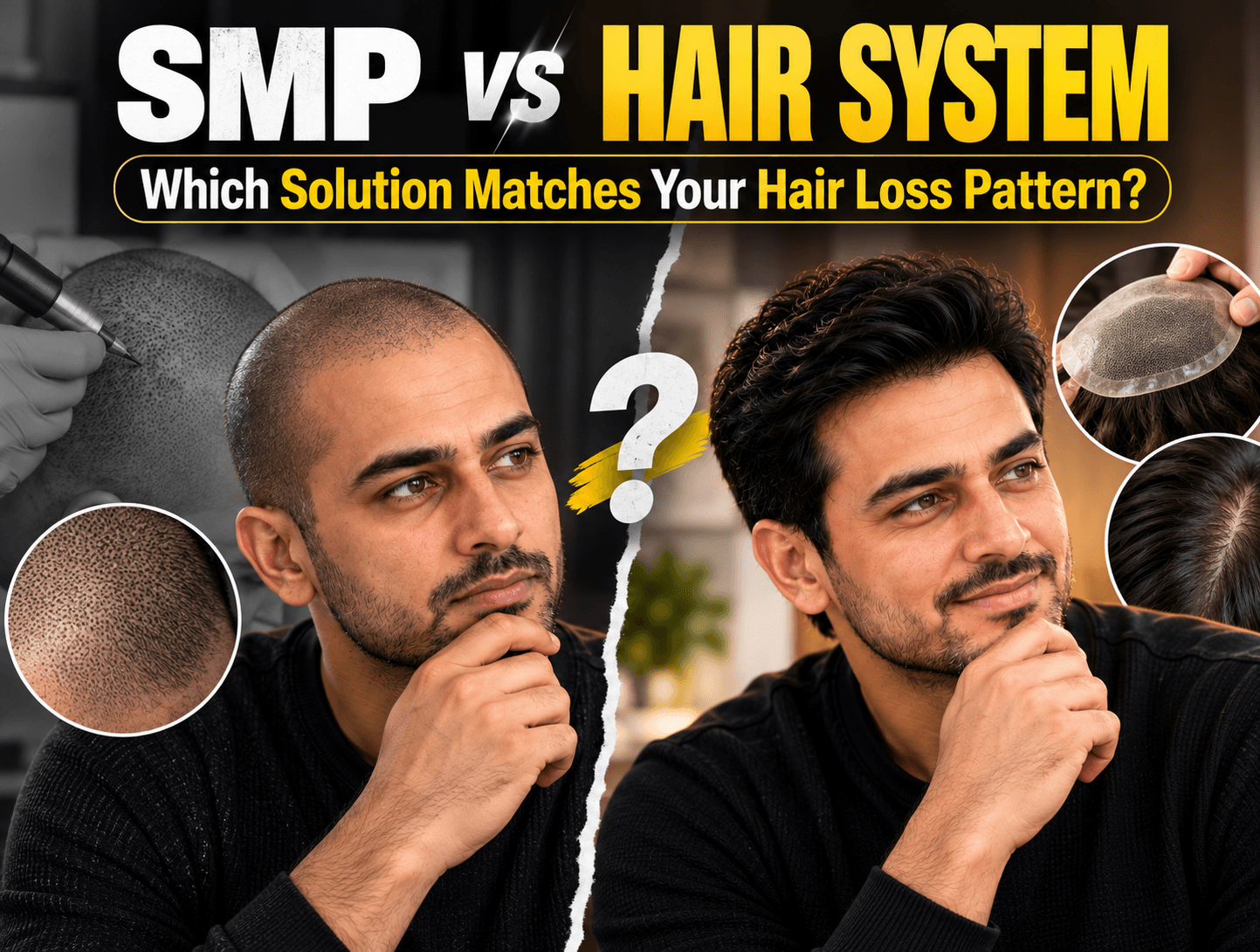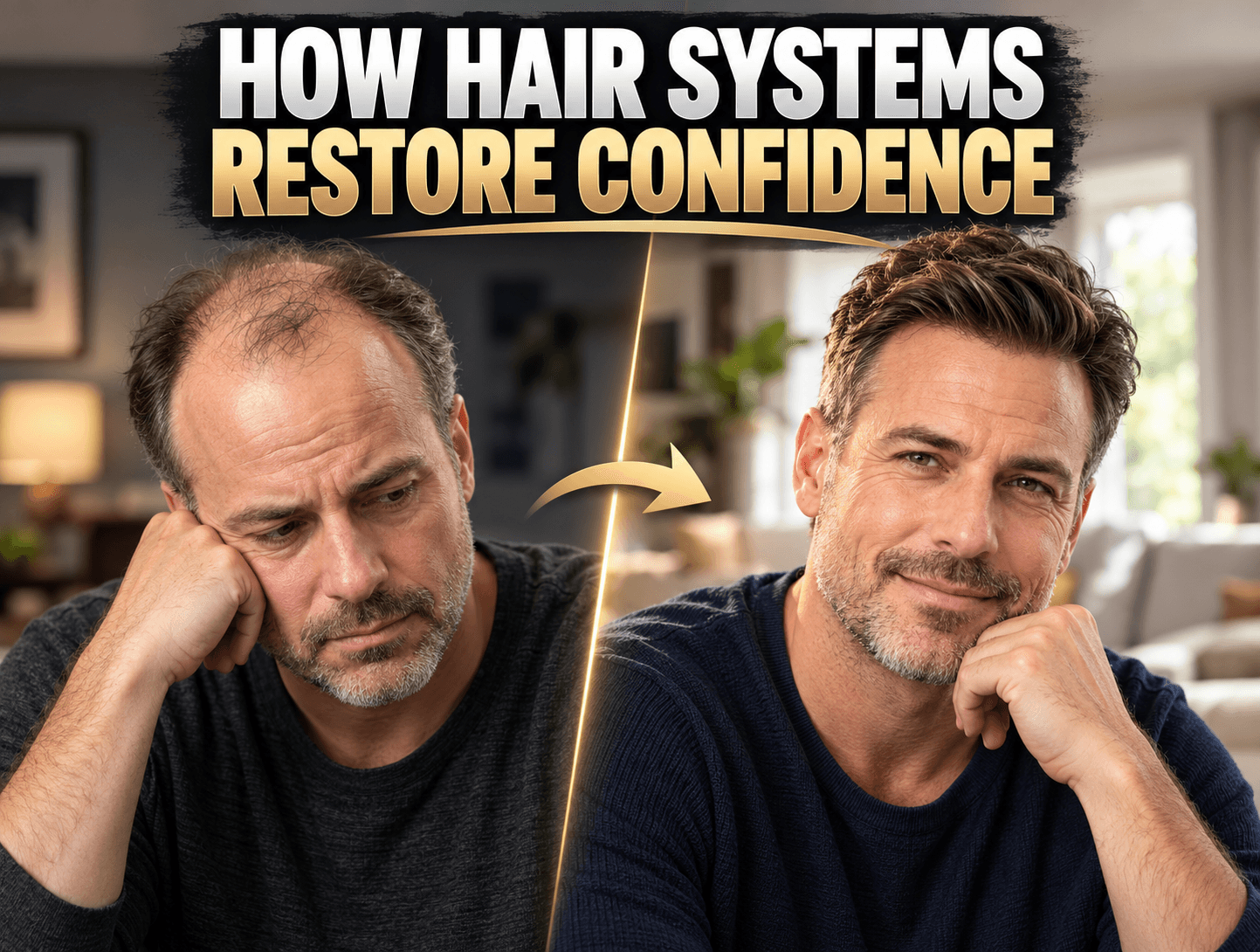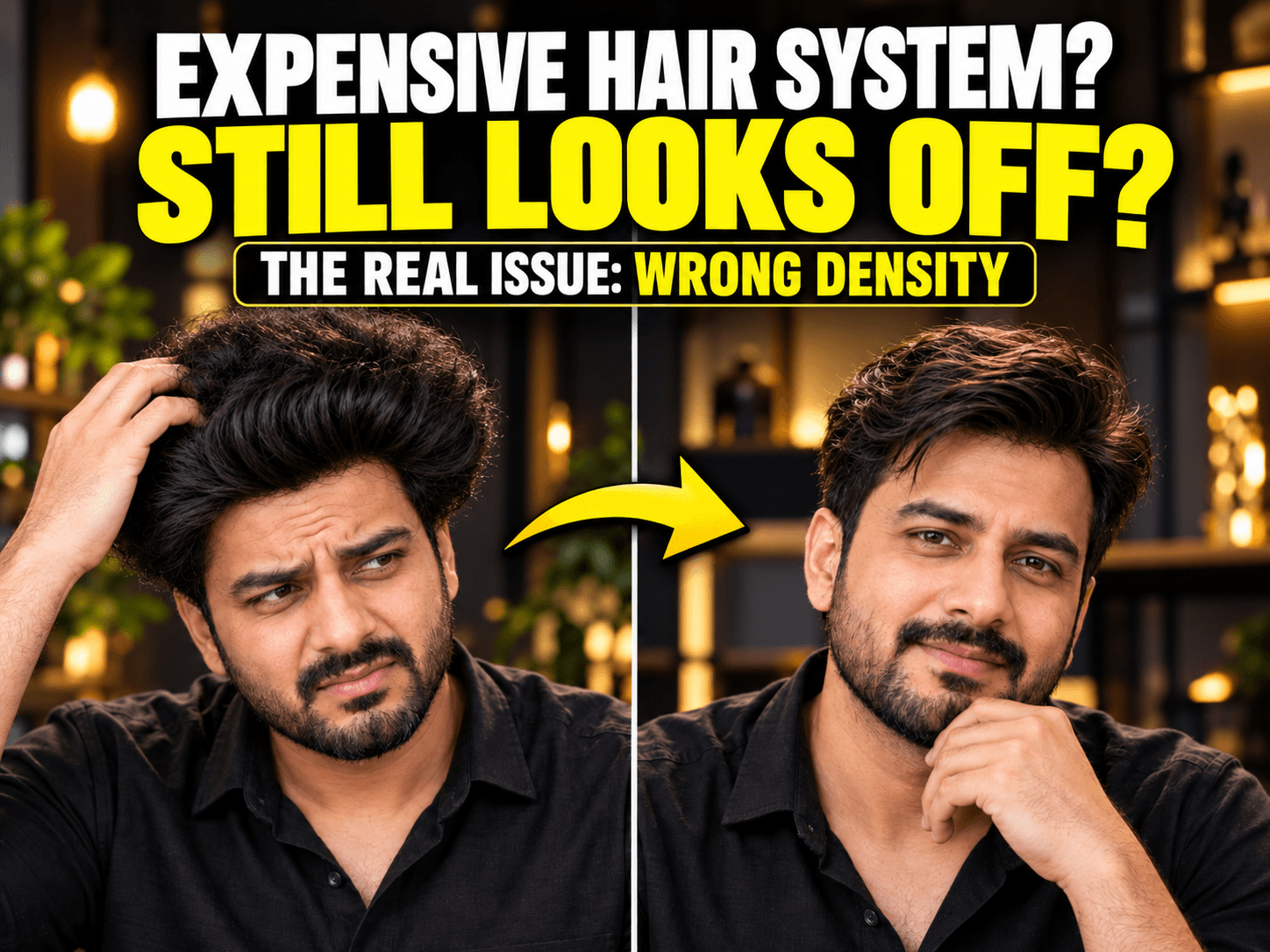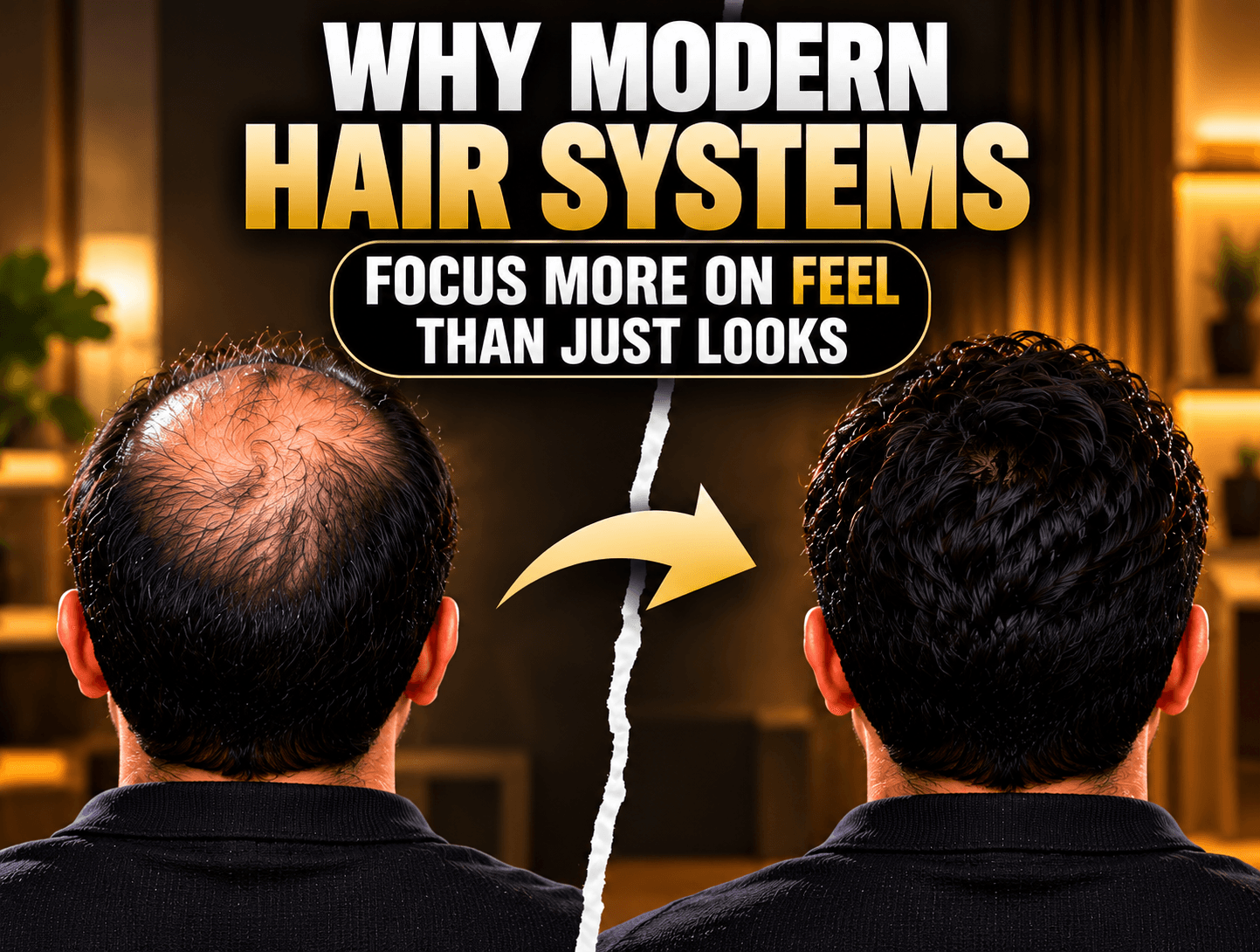
For years, hair replacement was mainly about appearance. Men wanted fuller-looking hair, a well-defined hairline, and a hairstyle that blended with their existing hair. While these expectations remain important, the focus has gradually shifted towards something equally meaningful: how a hair system feels during everyday use. A good hairstyle may create the first impression, but comfort and practicality influence the overall wearing experience.
Modern hair systems are now considered in relation to daily routines, attachment preferences, scalp fit, and personal styling habits. Someone spending long hours at work may have different requirements from a person who frequently exercises or travels. This growing attention to everyday wearability has made comfort an important part of choosing non-surgical hair replacement.
Changing Expectations from Modern Hair Systems
Hair systems were traditionally evaluated by how effectively they covered thinning areas and created fuller-looking hair. Today, men are also considering how these systems fit into their lifestyles. Appearance continues to influence the decision, but factors such as attachment, flexibility, and ease of daily wear have become equally relevant.
A hair replacement system may be worn during working hours, social gatherings, travel, and other regular activities. This means its suitability extends beyond how it looks immediately after fitting. Men increasingly want a system that complements their hairstyle without making their normal routine unnecessarily complicated.
A more personalized approach
Modern hair replacement considers individual requirements rather than relying on one standard design. Scalp shape, hair-loss pattern, existing natural hair, and styling preferences can influence the selection process. Two men experiencing similar hair loss may still prefer different systems because their daily routines and attachment expectations differ.
This personalized approach helps bring appearance and practical wearability together. Instead of concentrating only on fuller hair, the focus includes how the system fits, feels, and works with the individual's lifestyle.
Why Comfort Matters Beyond Appearance
Comfort is a personal experience. Some men prefer lightweight hair systems, while others priorities how the system stays positioned during normal movement. Attachment preferences, scalp fit, and construction can all influence how wearing a hair system feels throughout the day.
A hair replacement system may look well blended but still feel inconvenient if it doesn't suit the wearer's routine. Someone who prefers removing their system regularly may have different expectations from a person who chooses continuous attachment. Understanding these preferences helps avoid selecting a system based entirely on its appearance.
Factors that influence comfort
Several characteristics contribute to the overall wearing experience:
Proper fit: A system shaped according to the scalp can support a more suitable wearing experience.
Flexibility: The construction influences how the system follows the contours of the head.
Attachment: The selected method should match the wearer's preferences and existing hair.
Hair density: Balanced density helps achieve the desired fullness without unnecessary volume.
Daily routine: Working conditions, grooming habits, and physical activity can influence suitability.
These factors work together rather than independently. A lightweight system isn't automatically the most comfortable choice if its fitting or attachment method isn't appropriate. The overall experience depends on how well the different characteristics suit the individual.
How Hair System Design Affects Everyday Feel
Hair system design involves more than the visible hairstyle. The construction, flexibility, shape, and attachment arrangement influence how the system sits on the scalp. Two systems may create a similar appearance while offering different experiences during regular wear.
Modern hair systems can be designed according to individual scalp contours and coverage requirements. The way replacement hair is distributed also influences styling and how it blends with surrounding natural hair. These details help create a system that reflects both personal preferences and practical requirements.
Understanding attachment options
Attachment methods play an important role in the wearing experience.
Clip-On Hair Systems generally attach using clips connected to suitable existing natural hair. They're removable and typically don't require shaving, making them an option for men who prefer flexibility.
Stick-On Hair Systems use professional adhesive or tape and are designed for more continuous wear. Depending on fitting requirements, some existing hair may need to be shaved in the attachment area.
Neither method is universally more comfortable. The appropriate option depends on remaining natural hair, attachment preferences, lifestyle, and fitting requirements. Understanding these differences helps men select a system that aligns with their normal routine.
The Importance of Fit and Customisation
A hair system should complement the individual rather than follow a standard appearance. Scalp shape, hairline position, existing natural hair, and hairstyle preferences can all influence the fitting process. When these factors are considered carefully, the system can sit more appropriately and support a balanced overall hairstyle.
Hair density is particularly important because greater fullness isn't always the most suitable choice. Someone with naturally fine hair may prefer a different density from someone with thicker surrounding hair. Selecting appropriate density helps create a consistent transition between existing and replacement hair.
Customisation beyond hair volume
Custom hair systems can be personalized through colour, texture, hair direction, density, and hairline design. These elements influence how the replacement hair blends with the wearer's existing hairstyle and how it can be managed during regular grooming.
For example, someone accustomed to slightly wavy hair may prefer replacement hair with a similar texture. Systems made with 100% human hair may offer familiar styling possibilities, depending on their construction and care requirements.
The aim of customisation isn't simply to create a fuller hairstyle. It's to develop a hair replacement system that suits the individual's appearance, grooming habits, and expectations.
Modern Hair Systems and Daily Activities
The everyday experience of wearing a hair system depends partly on the activities someone regularly performs. Working conditions, travel, exercise, and changes in weather may influence attachment preferences and overall wearability. A system selected with these factors in mind can better reflect the wearer's actual routine.
Working hours and regular movement
Men who spend long hours at work may priorities a manageable wearing experience. Commuting, meetings, and moving between indoor and outdoor environments can influence how the system feels during the day. Proper fitting and appropriate attachment are therefore worth considering alongside hairstyle preferences.
Exercise and changing weather
Physical activity introduces other considerations. Sweating and movement can influence how certain attachment methods perform, particularly during exercise or extended outdoor activity.
Indian weather can also affect individual experiences. Heat, humidity, and monsoon conditions may influence grooming habits and maintenance requirements. Choosing a suitable system involves understanding these conditions rather than assuming one design works equally well in every environment.
The role of everyday care
Regular care contributes to the condition and manageability of a hair replacement system. Gentle brushing, suitable washing practices, and careful handling can help maintain the replacement hair. The recommended routine depends on the system type and attachment arrangement, so maintenance expectations should be understood during selection.
Balancing Comfort with Natural Appearance
A suitable hair system should bring together visual appearance and practical wearability. Fuller-looking hair may be the initial goal, but fitting, attachment, and maintenance determine how well the system works with everyday life. Focusing entirely on appearance can overlook details that become more relevant after regular use.
Choosing according to personal requirements
Before selecting a hair replacement system, it helps to consider a few practical questions:
Do I prefer removable or more continuous attachment?
How active is my regular lifestyle?
What hairstyle and hair density would suit me?
How much suitable natural hair remains?
What maintenance routine can I comfortably follow?
The answers can help identify the characteristics that matter most. They also make it easier to discuss suitable options during a professional fitting.
A personalized approach considers these requirements together instead of relying on one feature. The most appropriate hair system is one that supports the desired hairstyle while fitting reasonably into the individual's everyday routine.
Frequently Asked Questions
1. Are modern hair systems comfortable for everyday wear?
Modern hair systems can be suitable for regular use, although comfort varies between individuals. Construction, attachment method, fitting, and personal preferences all influence the experience. Choosing a system according to lifestyle and hair-loss pattern can help identify an appropriate option.
2. Are lightweight hair systems always more comfortable?
Not necessarily. Weight is one factor, but flexibility, scalp fit, and attachment also affect the wearing experience. A lightweight system may still feel unsuitable if its fitting doesn't match the wearer's requirements. Comfort depends on the complete design rather than weight alone.
3. Which is more comfortable, a Clip-On or Stick-On Hair System?
Both attachment methods have different characteristics. Clip-On Hair Systems may suit men who prefer removability and have suitable existing natural hair. Stick-On Hair Systems may appeal to those who prefer more continuous wear. The right choice depends on personal preferences and fitting requirements.
4. Does hair density influence comfort?
Hair density influences the overall characteristics of a hair system, including fullness and styling. Higher density isn't necessary for everyone. Selecting density according to existing natural hair, hairstyle preferences, and individual requirements can support a balanced result.
5. Can hot or humid weather affect how a hair system feels?
Yes, temperature, humidity, and sweating may influence the wearing experience. The effect varies according to the system design, attachment method, fitting, and individual circumstances. Considering everyday weather conditions can help in selecting a suitable hair replacement option.
Conclusion
Modern hair systems are increasingly evaluated by how they feel as well as how they look. While fuller-looking hair and a well-blended hairstyle remain important, comfort, proper fitting, flexibility, and everyday practicality also influence the wearing experience.
The right balance depends on individual needs rather than one particular design. Understanding attachment options, customisation, and lifestyle requirements can help men make more informed hair replacement decisions.
Call us 📞+91 9222666111 today for personalized guidance on hair loss solutions! 📍 Book your consultation now at www.americanhairline.com and start your journey with Non Surgical Hair Replacement today. 👉 [Fill out this form for personalized advice.]
Ready to regain your confidence?
American Hairline provides premium, non-surgical hair replacement systems designed specifically for you. Don't wait to change how you feel.
Found this helpful? Get more of our articles in your Google results.
Add to Preferred Sources0 Comments
No comments yet. Be the first to share your thoughts!
Leave a Reply
Your email address will not be published. Required fields are marked *