
We’ve all been there.
A demanding project at work. Back-to-back meetings. Endless emails. Tight deadlines. Weeks that seem to blur together without a proper break.
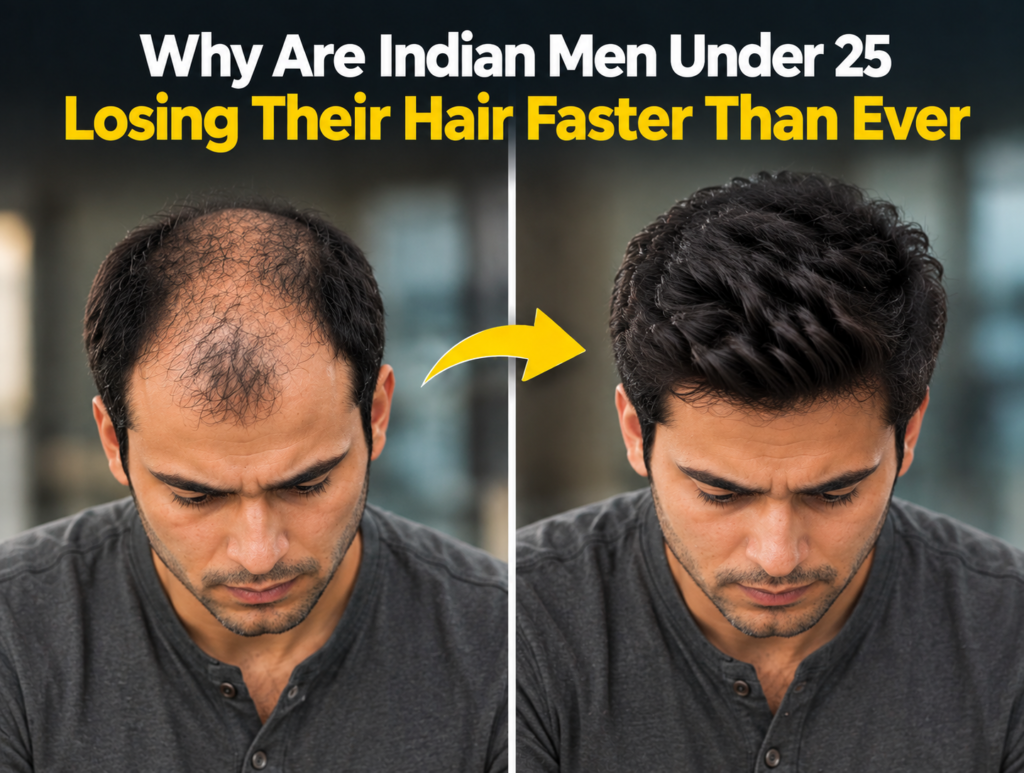
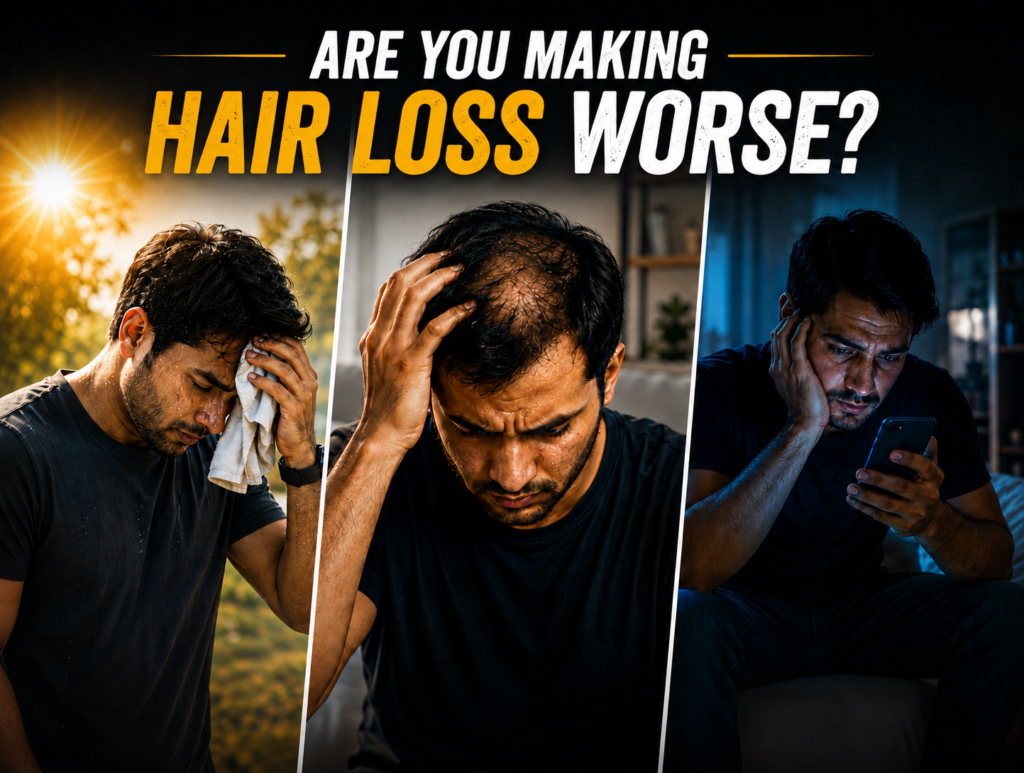
During stressful periods, most people expect to feel tired, distracted, or overwhelmed. What many don’t expect is to notice more hair than usual in the shower, on the pillow, or in the hairbrush.
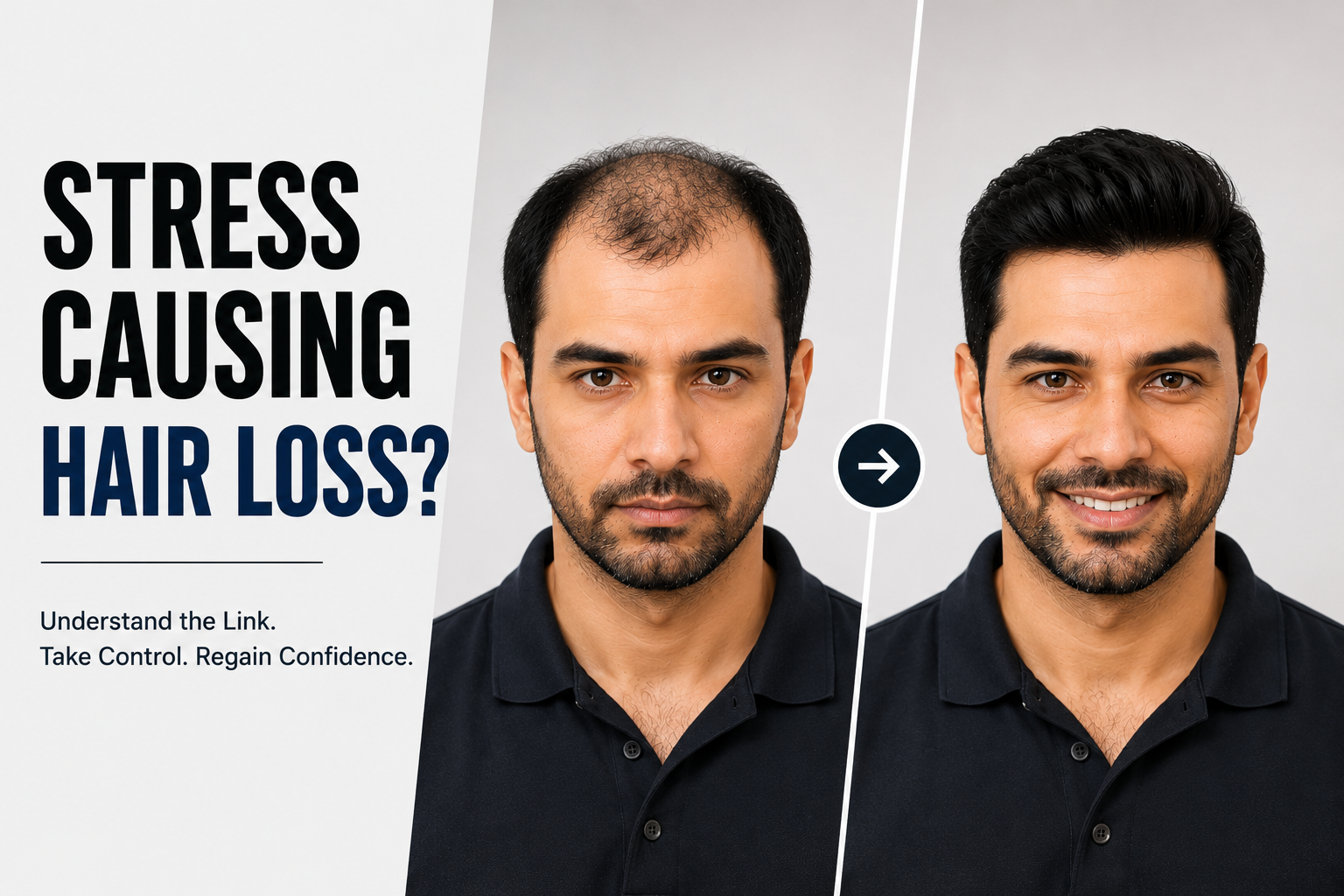
If you’ve been wondering whether work stress can actually cause hair loss, the short answer is yes. Stress doesn’t affect everyone in the same way, but prolonged physical or emotional strain can disrupt the body’s normal functions – including the hair growth cycle. The result can be increased shedding, thinning, and a noticeable drop in hair volume.
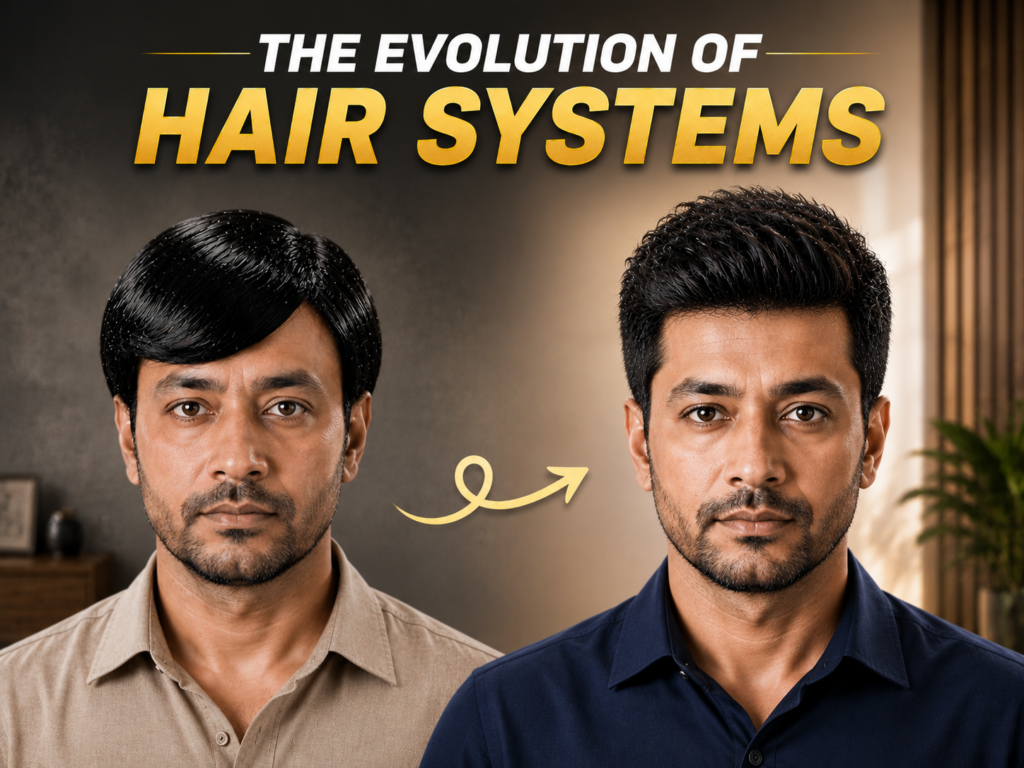
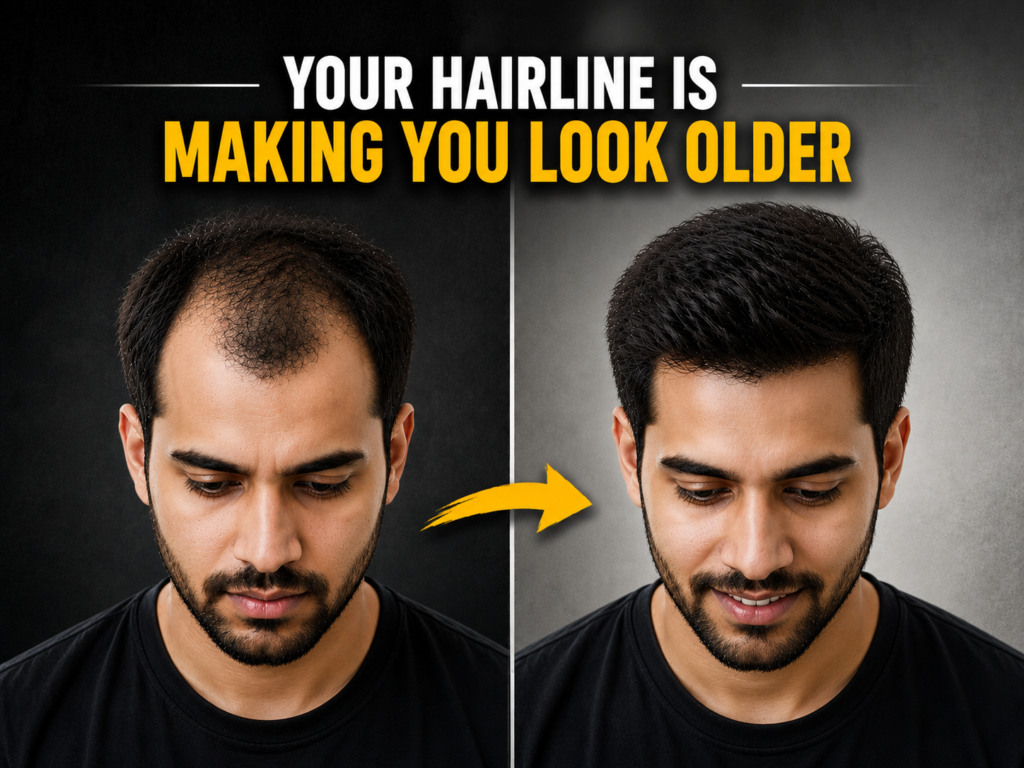
While some people focus on treatments to support regrowth, others begin exploring practical solutions such as a hair system, hair patch, or customized hair system to restore the appearance of fuller hair while addressing the underlying cause.
The good news is that understanding what’s happening can help you make informed decisions about treatment, recovery, and the hair replacement options available today.
Can Work Stress Really Cause Hair Loss?
Yes, it can.
When you’re under constant pressure, your body releases higher levels of cortisol, commonly known as the stress hormone. While cortisol plays an important role in helping the body respond to challenges, consistently elevated levels can interfere with various biological processes, including healthy hair growth.
Hair follicles are surprisingly sensitive to changes within the body. When stress becomes chronic, more follicles can enter the resting phase of the hair growth cycle than usual. Several weeks or months later, those hairs begin to shed.
This is why many people notice hair loss after a stressful period rather than during it.
Common work-related stressors include:
- Long working hours
- High-pressure deadlines
- Workplace conflicts
- Career uncertainty
- Financial concerns
- Burnout
- Poor work-life balance
How Stress Affects Your Hair
Hair grows in cycles.
At any given time, some hairs are actively growing while others are resting or preparing to shed. Under normal circumstances, this cycle remains balanced.
Stress can throw that balance off.
When the body is dealing with ongoing stress, it may divert resources away from processes considered non-essential for immediate survival. Hair growth can be one of those processes.
Stress can also contribute to:
Poor Sleep
Quality sleep is essential for recovery and cellular repair. Lack of sleep can affect overall hair health and slow the body’s natural regenerative processes.
Nutritional Changes
Many people eat differently when stressed. Some skip meals, while others rely on convenience foods. Over time, nutritional gaps can impact hair quality and growth.
Increased Inflammation
Chronic stress may contribute to inflammation throughout the body, creating conditions that are less favorable for healthy hair growth.
Signs Your Hair Loss Could Be Stress – Related
Stress-related hair loss often looks different from genetic hair loss.
You may notice:
- Increased shedding while washing or brushing your hair
- Hair accumulating on your pillow
- Reduced hair volume
- Thinning across the entire scalp
- A wider part line
- Sudden hair loss after a stressful period
Unlike male or female pattern hair loss, stress-related shedding is usually more diffuse and less predictable.
Types of Hair Loss Linked to Stress
Telogen Effluvium
This is the most common type of stress-related hair loss.
A larger number of hair follicles move into the resting phase at the same time. A few months later, those hairs shed, often creating noticeable thinning.
Alopecia Areata
This autoimmune condition causes hair loss in small patches. While stress isn’t always the direct cause, it may contribute to flare-ups in some individuals.
Trichotillomania
Some people cope with stress or anxiety by repeatedly pulling their hair. Over time, this can lead to visible thinning and bald patches.
Why Hair Regrowth Takes Time
One of the most frustrating aspects of stress-related hair loss is that improvement doesn’t happen overnight.
Even after stress levels decrease, hair follicles need time to return to their normal growth cycle.
For some people, regrowth may become noticeable within a few months. For others, it can take considerably longer depending on factors such as:
- Age
- Genetics
- Overall health
- Nutrition
- Severity of hair loss
- Scalp condition
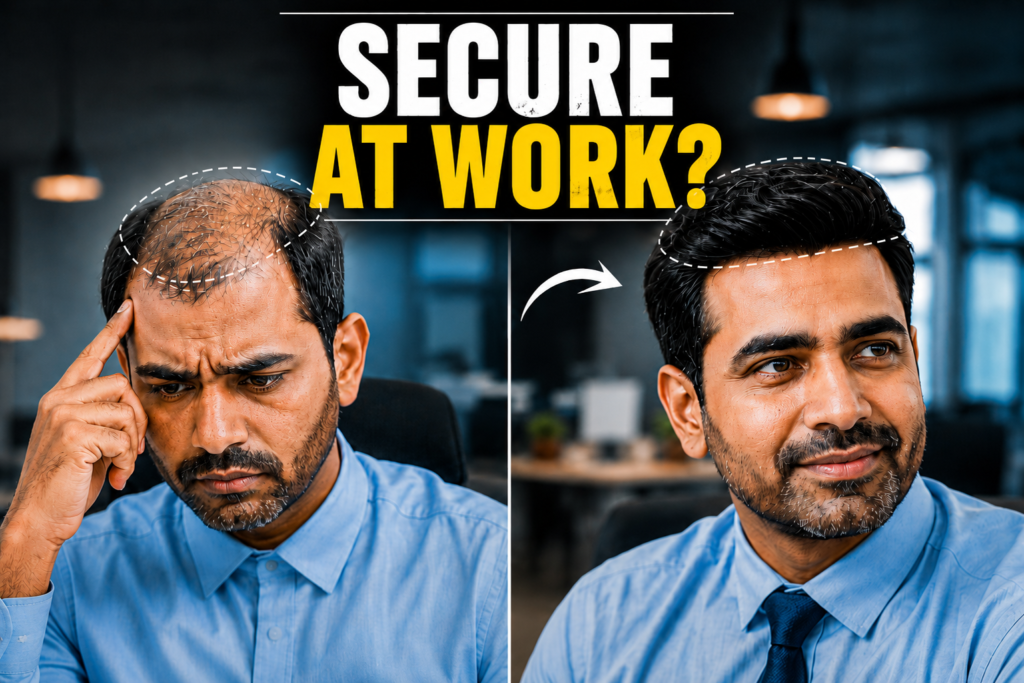
This waiting period can be difficult, especially when thinning hair begins to affect confidence, social interactions, or professional appearance.
Hair System Solutions for Hair Loss
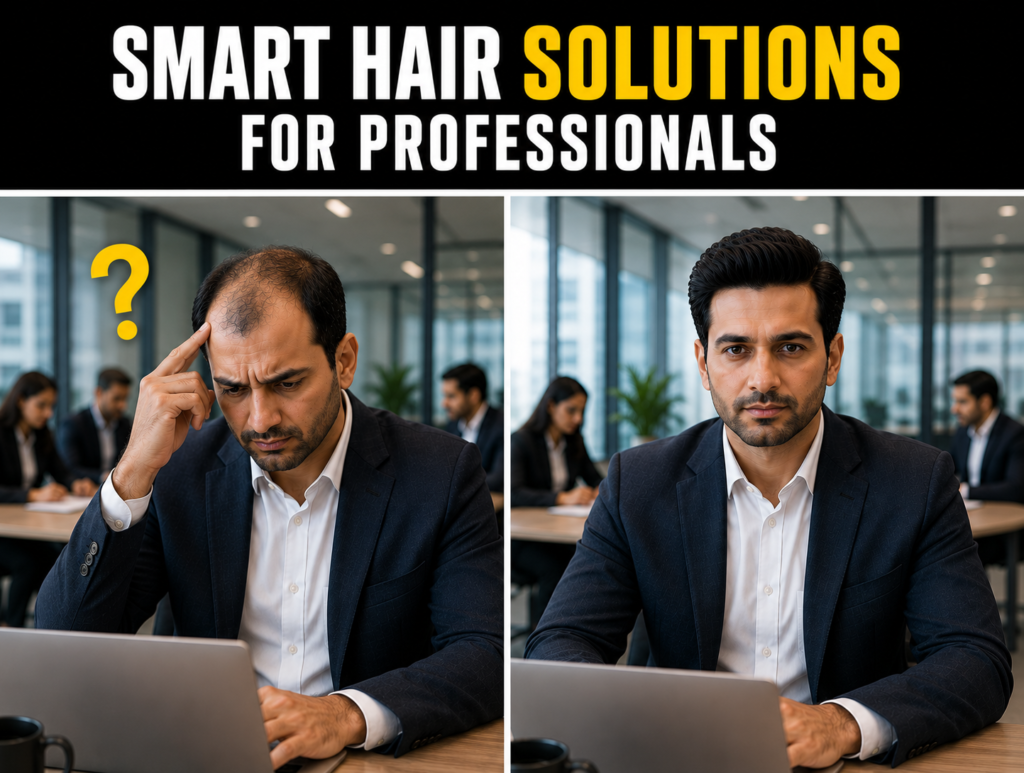
While some people choose to wait for natural regrowth, others prefer a solution that provides immediate results.
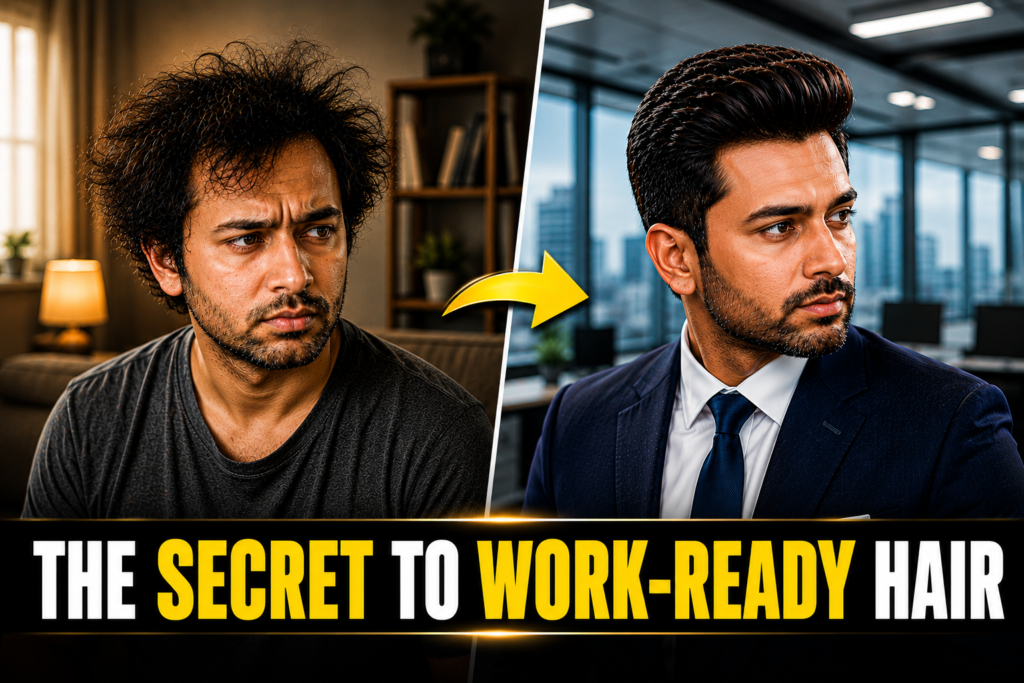
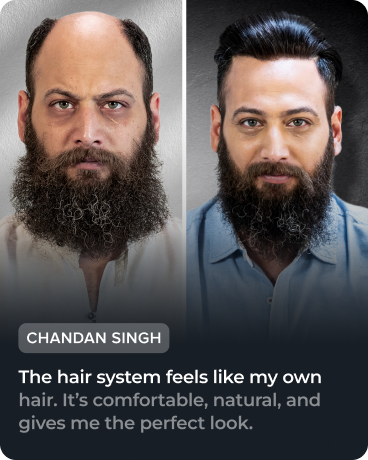
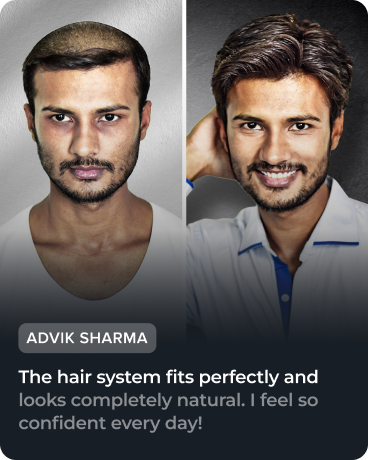
Modern hair systems have evolved significantly over the years and are designed to look natural, feel comfortable, and blend seamlessly with existing hair.
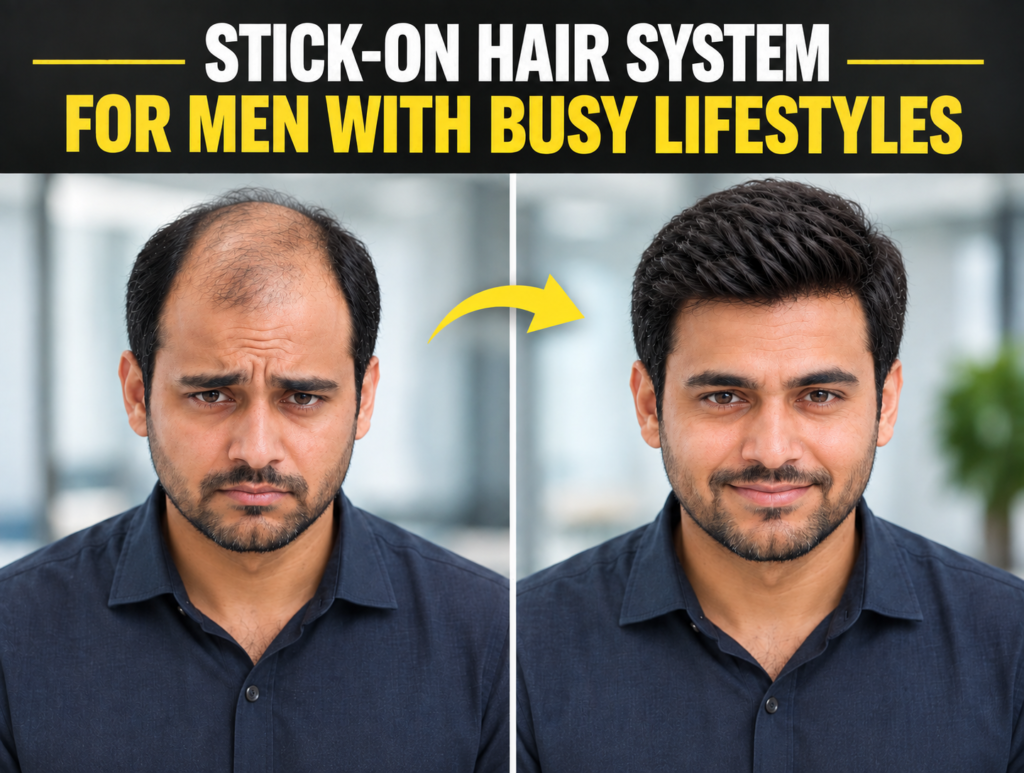
Stick-On Hair System
A stick-on hair system is attached using professional-grade adhesives. It offers a secure fit and is often chosen by individuals who want a long-lasting everyday solution.
Clip-On Hair System
A clip-on hair system can be attached and removed whenever needed. It’s a flexible option for those who prefer a non-permanent solution.
Hair Patch
A hair patch is designed to cover thinning or bald areas while matching the colour, texture, and density of the surrounding hair.
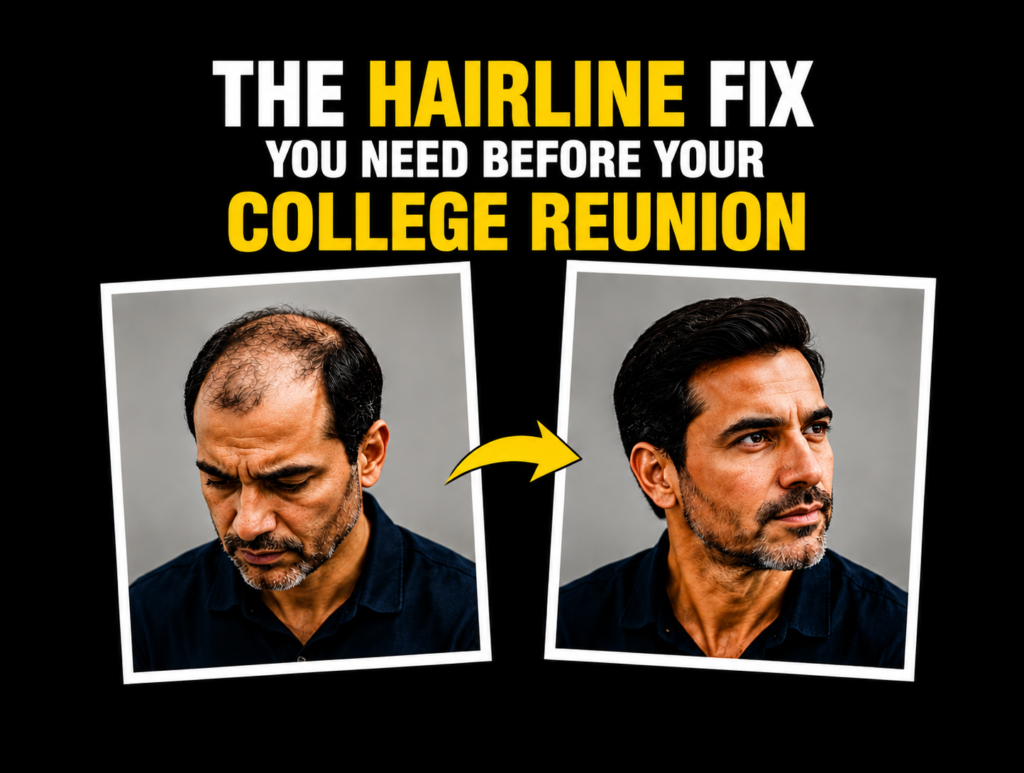
Front Hairline Patch
For individuals experiencing recession around the temples or frontal hairline, a front hairline patch can recreate the appearance of a fuller, more defined hairline.
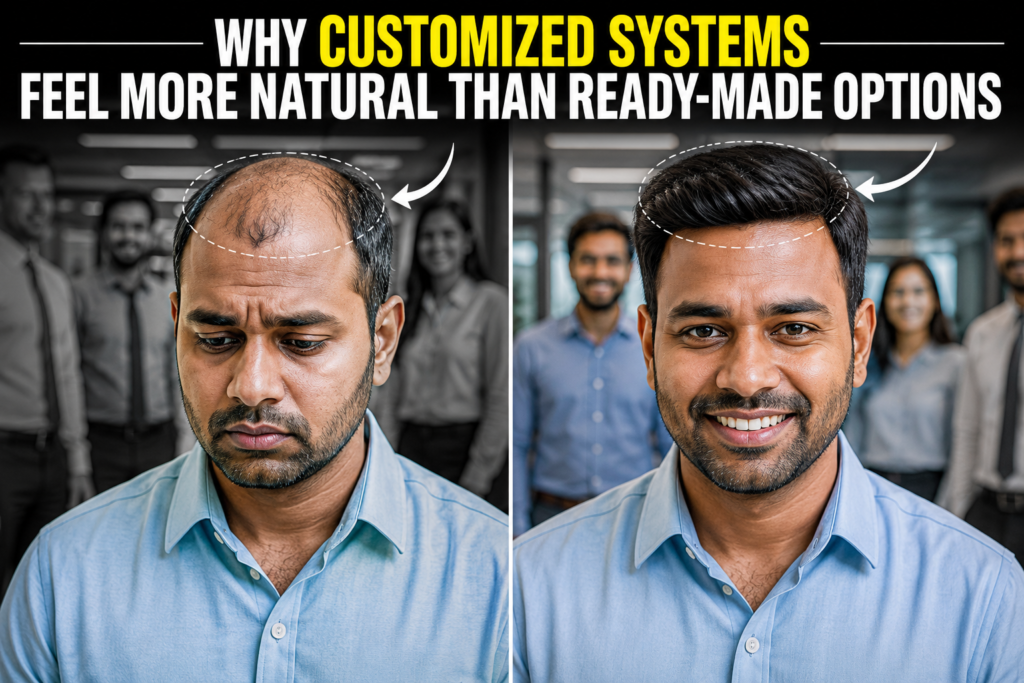
Customized Hair System
Because every hair loss pattern is different, many people opt for a customized hair system designed around their specific measurements, hair characteristics, and styling preferences.
The goal is simple: a result that looks as natural as possible.
Understanding Different Hair System Bases
The base of a hair system plays a major role in how it looks, feels, and performs.
Silk Base System
A silk base system is known for creating one of the most realistic scalp appearances available.
Many people choose this option because it creates the illusion that hair is growing directly from the scalp.
Best For:
- Natural scalp appearance
- Realistic hairline results
- Everyday wear
French Lace Base System
A French lace base system is lightweight and breathable, making it a popular option for warmer climates and active lifestyles.
Best For:
- Breathability
- Comfort
- Daily use
Full Lace Base System
A full lace base system offers excellent flexibility and allows for versatile styling options.
Best For:
- Styling versatility
- Natural movement
- Lightweight comfort
Hair Systems vs Waiting for Regrowth
| Factor | Hair System | Natural Regrowth |
| Time to Results | Immediate | Several months or longer |
| Hair Density | Instant improvement | Gradual improvement |
| Confidence Boost | Immediate | Delayed |
| Suitable for Stress Hair Loss | Yes | Yes |
| Suitable for Long-Term Hair Loss | Yes | Depends on the cause |
| Surgical Procedure Required | No | No |
Looking for an Immediate Solution?
Hair regrowth is a gradual process, and for many people, waiting months for visible improvement isn’t ideal.
Modern hair replacement options can provide immediate coverage and a natural appearance while you continue addressing the underlying cause of hair loss.
Popular options include:
- Stick-on hair systems
- Clip-on hair systems
- Hair patches
- Front hairline patches
- Customized hair systems
Choosing the right option depends on factors such as your lifestyle, maintenance preferences, hair loss pattern, and desired look. Consulting a qualified hair replacement specialist can help you understand which solution best suits your needs.
Conclusion
Work stress can absolutely contribute to hair loss.
Whether it’s increased shedding, reduced density, or overall thinning, the effects can be noticeable and frustrating. While addressing the underlying cause is important, hair recovery often takes time.
The good news is that hair loss doesn’t have to put your life on hold.
Many people successfully manage stress-related hair loss through lifestyle changes, improved health habits, professional treatment plans, or modern hair replacement solutions.
The right approach depends on the cause of your hair loss, your expectations, and how quickly you want to see results.
Call us 📞+91 9222666111 today for personalized guidance on hair loss solutions!
📍 Book your consultation now at www.americanhairline.com and start your journey with Non Surgical Hair Replacement today.
👉 [Fill out this form for personalised advice.]