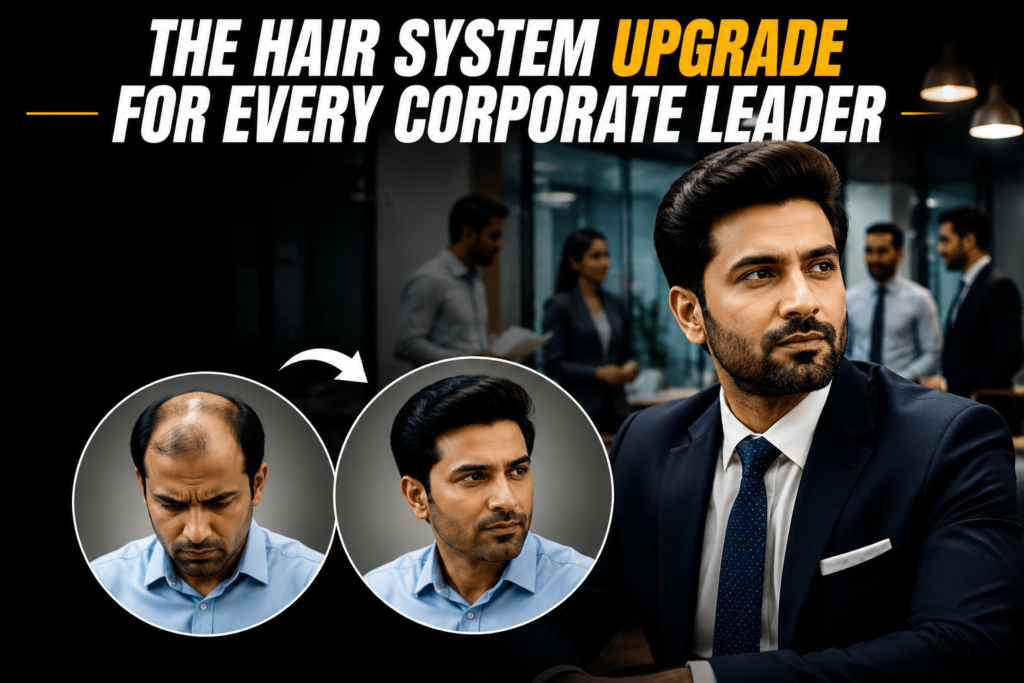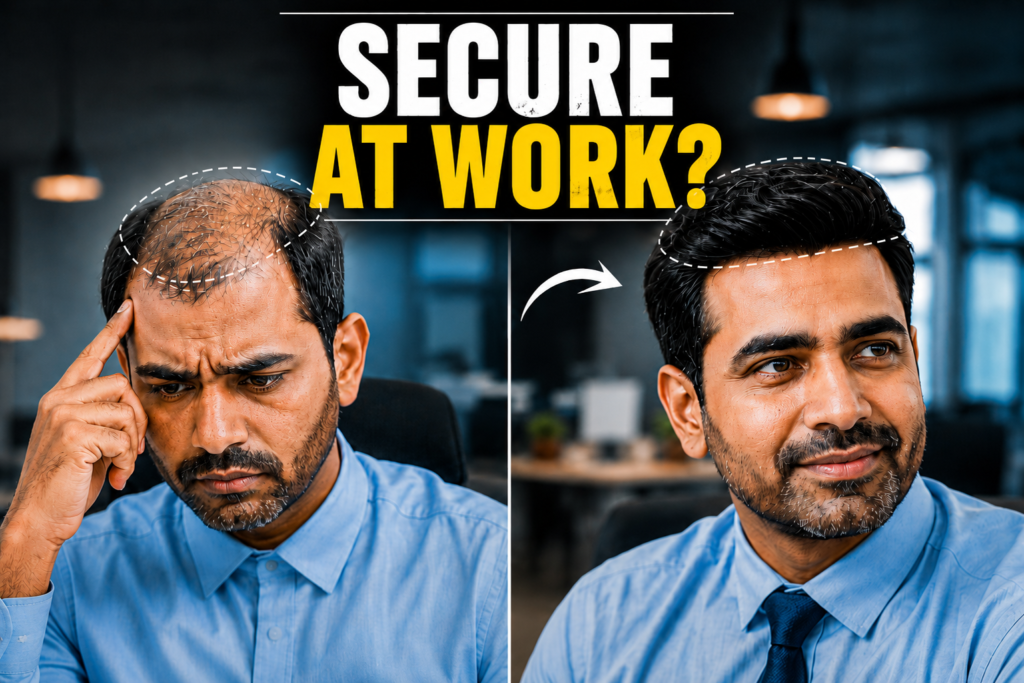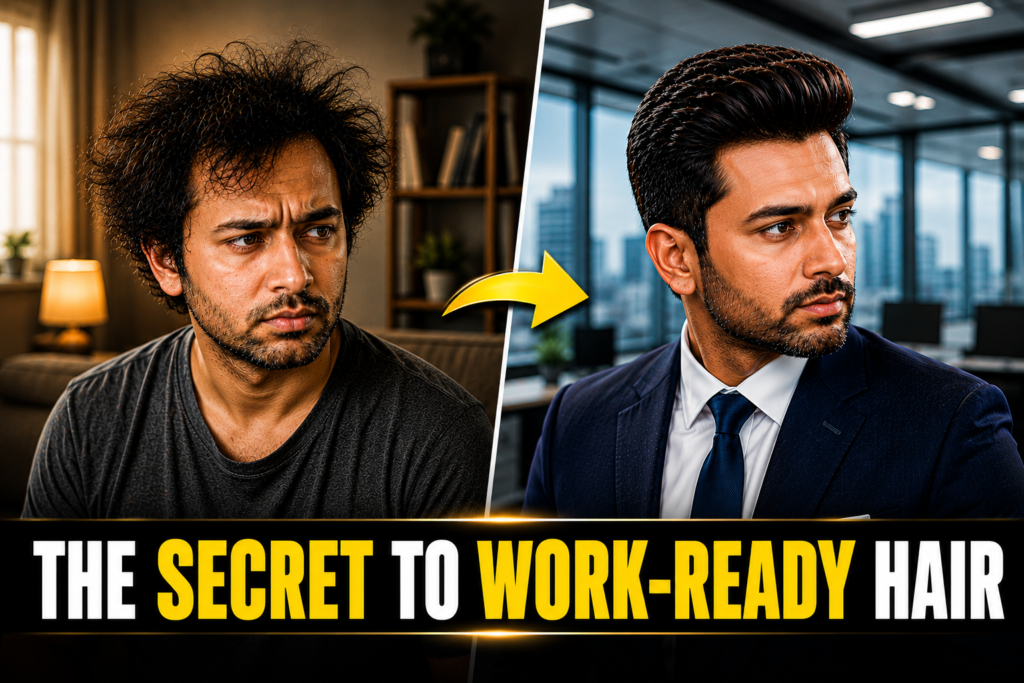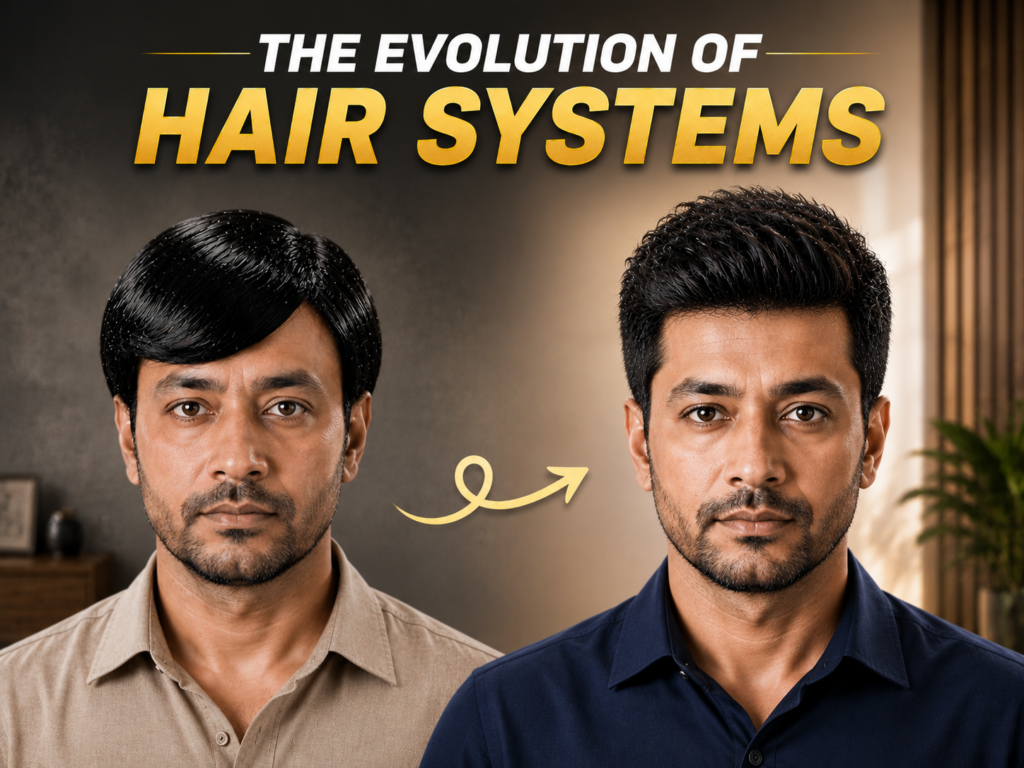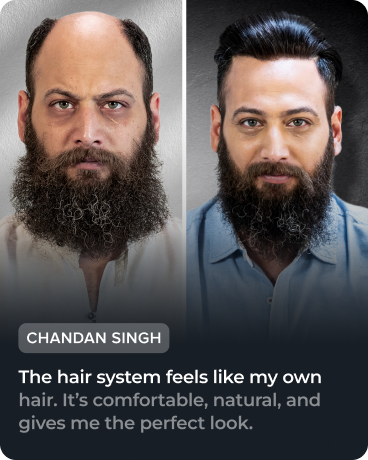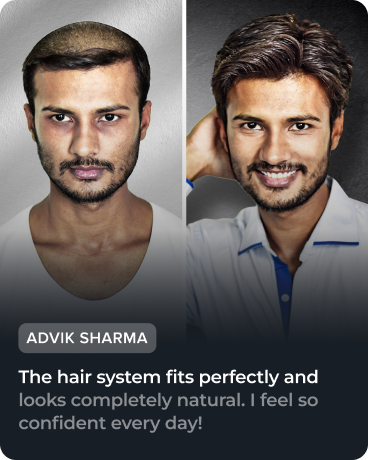

Choosing a hair solution can seem simple at first. You may see a particular hairstyle or hair system that looks good on someone else and assume the same option should work for you. In reality, choosing a suitable hair replacement involves much more than appearance. Your pattern of hair loss, the amount of natural hair you still have, attachment preference, daily routine, styling expectations, and willingness to follow regular care all influence which option may suit you. When these factors are overlooked, even a well-designed hair replacement system can feel inconvenient or may not create the balanced appearance you expected.
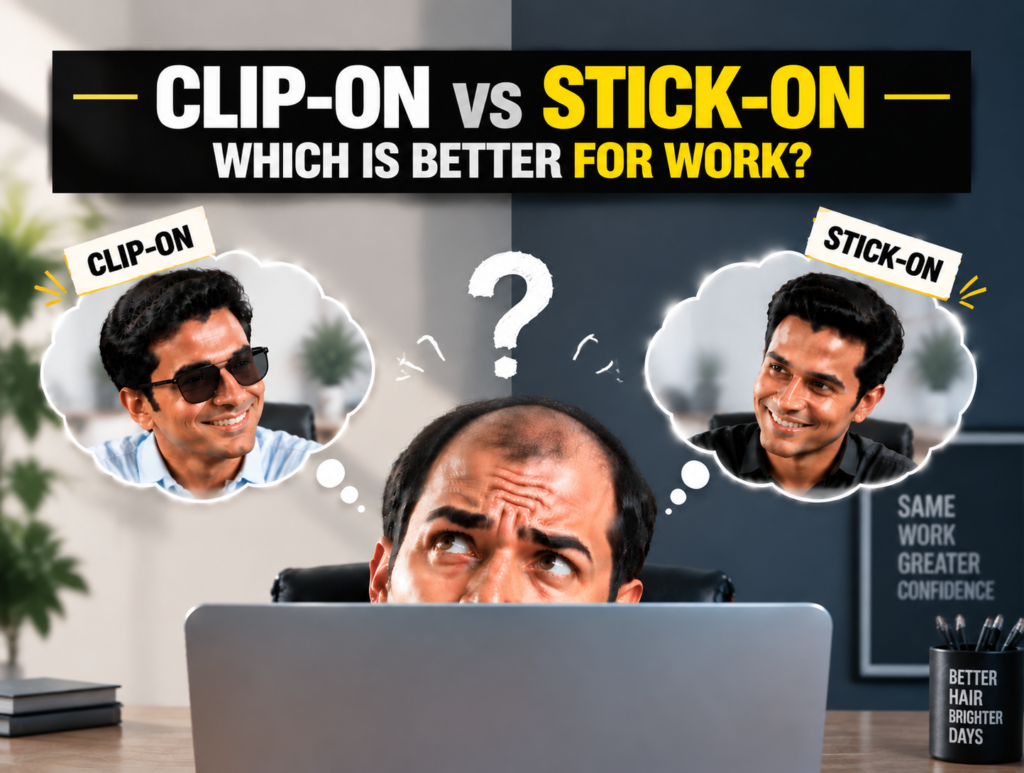
The problem is not always with the hair solution itself. In many cases, the solution simply does not match the person using it. A Clip-On Hair System or Stick-On Hair System can work differently depending on individual needs. Understanding these differences before making a decision can save you from unnecessary adjustments later and help you choose a solution that works with your lifestyle rather than becoming difficult to manage.
| Table of Contents |
| Choosing the Right Solution |
| Matching Your Hair Loss |
| Lifestyle and Attachment |
| Appearance and Blending |
| Maintenance and Practicality |
| Common Choosing Mistakes |
| Frequently Asked Questions |
Choosing the Right Solution
A hair replacement system should not be selected only because you like a particular hairstyle or the way a certain system looks in photographs. Different types of hair replacement are designed around different attachment methods, hair-loss patterns, amounts of remaining natural hair, and everyday preferences. Someone who wants to remove the system regularly may have very different requirements from someone looking for more continuous wear. Similarly, a person with enough natural hair to support clips may have different options from someone experiencing advanced hair loss across a larger area of the scalp.
A suitable choice usually considers several factors together:
- Your current hair-loss pattern
- The amount and position of remaining natural hair
- Whether you prefer removable or more continuous wear
- Your usual hairstyle and styling habits
- Your daily activities and routine
- The amount of maintenance you are comfortable managing
- Your expectations regarding density, hairline, texture, and blending
Non-Surgical Hair Replacement, therefore, works best as a personalised choice rather than a standard solution. Colour, density, hair direction, texture, hairline design, attachment, and blending can all influence how the final system looks and feels. Ignoring even one important factor can create a mismatch that becomes more noticeable during daily use.
Matching Your Hair Loss
Your hair-loss pattern plays an important role in determining which type of hair replacement may be practical. For example, a Clip-On Hair System generally attaches to suitable existing natural hair using clips. This means the amount and location of remaining hair need to be considered before choosing it. If there is not enough suitable hair in the areas required for attachment, selecting a clip-based system simply because it sounds convenient may create practical difficulties.
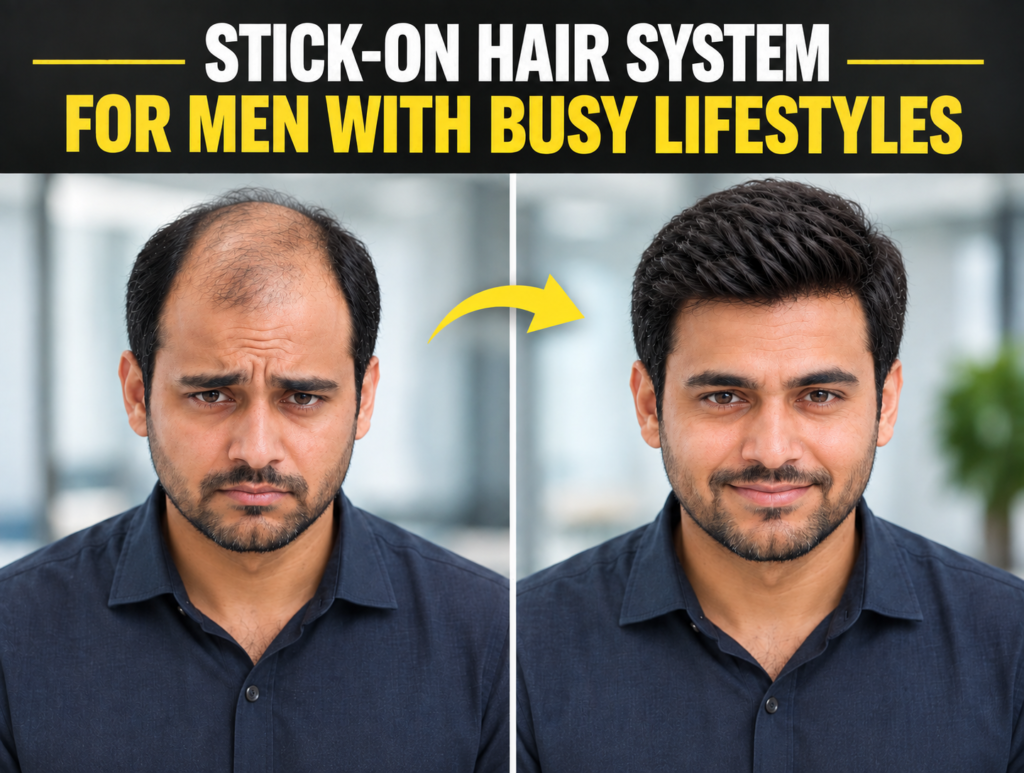
A Stick-On Hair System works differently because it uses professional adhesive and/or tape for attachment and is designed for more continuous wear. Depending on the fitting area, shaving may be required where the system is attached. Someone who strongly prefers not to shave any natural hair needs to understand this before choosing that attachment method. The decision should be based on actual requirements rather than assumptions about what each system involves.
The coverage area also matters. Early thinning, recession, and advanced hair loss do not always require the same type or size of hair replacement system. A properly planned solution considers the exact area that needs coverage and how that area connects with existing natural hair.
| Factor | Why It Matters |
| Hair-loss area | Helps determine the required coverage |
| Remaining natural hair | Can influence attachment options |
| Hair density | Affects how the system blends visually |
| Hairline requirement | Influences the front appearance |
| Existing hairstyle | Helps guide texture, length, and direction |
Looking at the complete hair-loss pattern before choosing a system can help prevent a situation where the attachment works poorly or the coverage does not blend naturally with the surrounding hair.
Lifestyle and Attachment
Lifestyle is one of the easiest factors to underestimate. A hair system may look suitable during fitting, but everyday life can reveal whether it truly matches the wearer. Someone who exercises regularly, sweats heavily, travels frequently, wears a helmet, spends long hours outdoors, or deals with Indian heat and humidity should consider these habits when discussing attachment and care. These activities do not automatically make a particular hair system unsuitable, but they can influence which attachment approach and care routine feel more practical.
For example:
If you prefer regular removability:
A Clip-On Hair System may be worth considering if you have enough suitable natural hair for the clips. It generally does not require shaving and may suit someone who prefers to remove the system according to their routine.
If you prefer more continuous wear:
A Stick-On Hair System may be more aligned with that preference because it uses professional adhesive and/or tape. The fitting requirements, attachment area, and possible shaving should still be understood beforehand.
Styling habits should also be discussed before selecting a system. Some men want a defined hairstyle and regularly change the direction or finish of their hair, while others prefer something simple that requires less daily styling. Choosing a hair system without explaining these preferences can result in a solution that looks suitable initially but becomes inconvenient once it becomes part of your daily routine.
Appearance and Blending
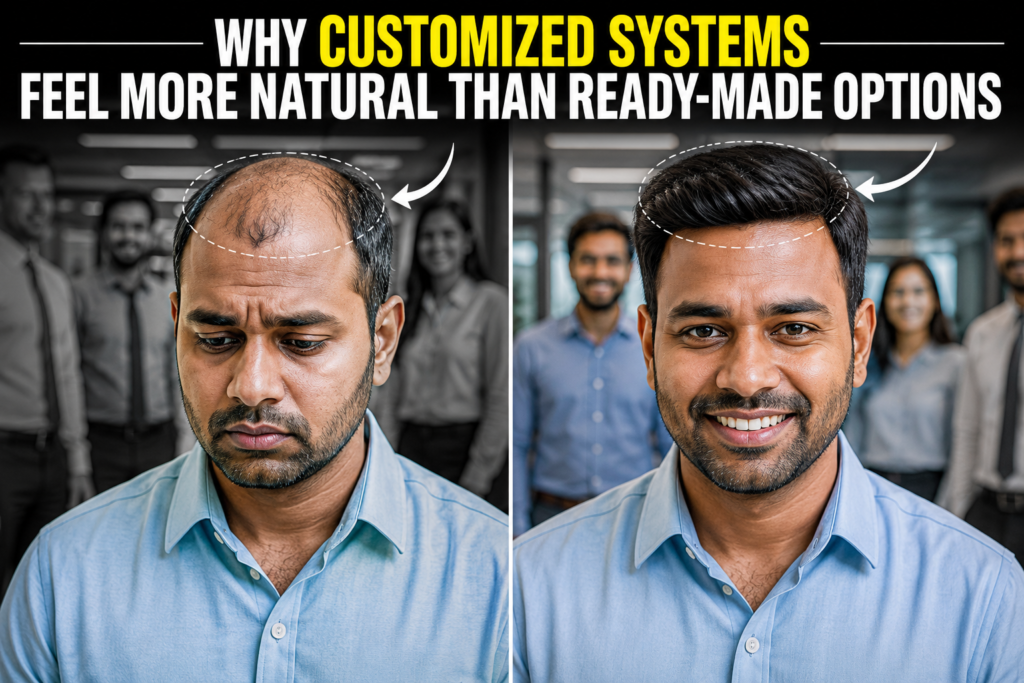
One of the most common misunderstandings is that more density automatically means a better-looking result. Density refers to the amount of hair distributed through the system, and the appropriate level should work with your age, natural hair, hair-loss pattern, hairstyle, and desired appearance. If the density is much heavier than the hair around the sides and back, the difference between the system and natural hair may become more noticeable. A balanced result is usually about coordination rather than simply adding as much hair as possible.
Several visual details need to work together:
- Hair colour: The colour should coordinate with the remaining natural hair.
- Texture: Straight, wavy, or curly hair should be considered carefully when blending.
- Density: The amount of hair should suit the surrounding natural hair and desired hairstyle.
- Hair direction: The way the hair sits can affect how natural the styling appears.
- Hairline design: The front hairline should work with the face, hairstyle, and overall density.
Hairline design deserves particular attention because it affects the first impression of the entire system. A hairline that does not suit the wearer’s facial features, age, density, or hairstyle can make the overall appearance feel less balanced. The finished look still depends on appropriate density, colour, hair direction, and styling choices.
Customization is therefore not a single step. A custom hair replacement system may involve decisions about hair colour, texture, density, hairstyle, hairline design, and blending with remaining natural hair. Each element plays a separate role, and the final result is shaped by how well those elements work together.
Maintenance and Practicality
Hair replacement also involves care, and overlooking this part can make an otherwise suitable system feel difficult to manage. Different systems and attachment methods may require different routines, while personal habits can affect how much attention the hair system needs. Gentle handling, suitable washing, conditioning, scalp care, natural-hair grooming, and appropriate styling may all form part of the routine, depending on the system. Someone who chooses a system without understanding these responsibilities may later feel that the hair replacement requires more effort than expected.
A few questions are worth considering before making a decision:
- How much time are you comfortable giving to regular hair-system care?
- Do you prefer something removable or something intended for more continuous wear?
- How often do you exercise, travel, or spend time outdoors?
- Do you use a helmet regularly?
- Do you prefer simple styling or more detailed styling?
- Are you comfortable following professional aftercare guidance?
How the hair system is handled can also influence its condition over time. Washing habits, styling, outdoor exposure, frequency of use, activity level, and general handling can all play a role. There is no single maintenance routine that applies equally to every hair replacement system, which is why care expectations should be understood before the final choice is made.
Practicality matters just as much as appearance. A hair system can look good but still feel like the wrong decision if its attachment or care requirements do not fit comfortably into your normal routine. The right solution should make sense not only on the day of fitting but also during ordinary working days, weekends, travel, exercise, and regular grooming.
Common Choosing Mistakes
One common mistake is choosing entirely from photographs or hairstyle references. A photograph can help communicate the look you prefer, but it cannot determine whether the same attachment method, density, hairline, or system design suits your own hair-loss pattern. Two men may want almost identical hairstyles yet require very different hair replacement solutions because their remaining natural hair and coverage needs are different.
Another mistake is focusing on just one attractive feature. For example, someone may choose a Clip-On Hair System only because it is removable without checking whether there is enough suitable natural hair for attachment. Another person may choose a Stick-On Hair System because they want more continuous wear but may not have considered the fitting process or possible shaving in the attachment area.
Other mistakes can include:
- Selecting very high density without considering the surrounding natural hair
- Ignoring colour and texture matching
- Choosing a hairline based only on a reference photo
- Not discussing exercise, travel, helmets, or outdoor routines
- Assuming every hair replacement system requires the same level of care
- Choosing what is popular rather than what suits personal requirements
It is also important not to assume that one hair replacement solution is automatically suitable for everyone. The purpose of comparing different types of hair replacement systems is not to find one universal option. It is to understand which features align with your hair-loss pattern, remaining natural hair, attachment preference, hairstyle, and routine. A more informed decision usually comes from considering several factors together rather than choosing based on one benefit.
Frequently Asked Questions
Can choosing the wrong hair system make it look unnatural?
It can affect the overall appearance if factors such as density, colour, texture, hairline design, or blending are not suited to the wearer. A hair system can be well made and still look less balanced if it does not coordinate with the surrounding natural hair. Careful customisation helps address these details.
Is a Clip-On Hair System suitable for everyone?
No. A Clip-On Hair System generally needs suitable existing natural hair because the clips attach to that hair. It may suit someone who prefers removability and generally does not want shaving, but the amount and position of remaining natural hair still need to be considered.
What if I choose a Stick-On Hair System but do not want any shaving?
That preference should be discussed before fitting. Stick-On Hair Systems use professional adhesive and/or tape, and shaving may be required in the attachment area depending on the fitting approach. Understanding the process beforehand helps avoid a mismatch between expectations and the chosen system.
Does choosing more hair density make a hair system look better?
Not necessarily. Higher density is not automatically more suitable. Density should work with the wearer’s age, natural hair, hairstyle, hair-loss pattern, and desired appearance. A density that blends well with the surrounding hair can often create a more balanced result.
How do I know which hair replacement system may suit my lifestyle?
Start by considering how you spend a normal week. Think about exercise, sweating, outdoor activity, travel, helmet use, styling habits, attachment preferences, and the amount of regular care you are comfortable managing. These practical details can help guide the discussion towards a solution that fits your routine.
Conclusion
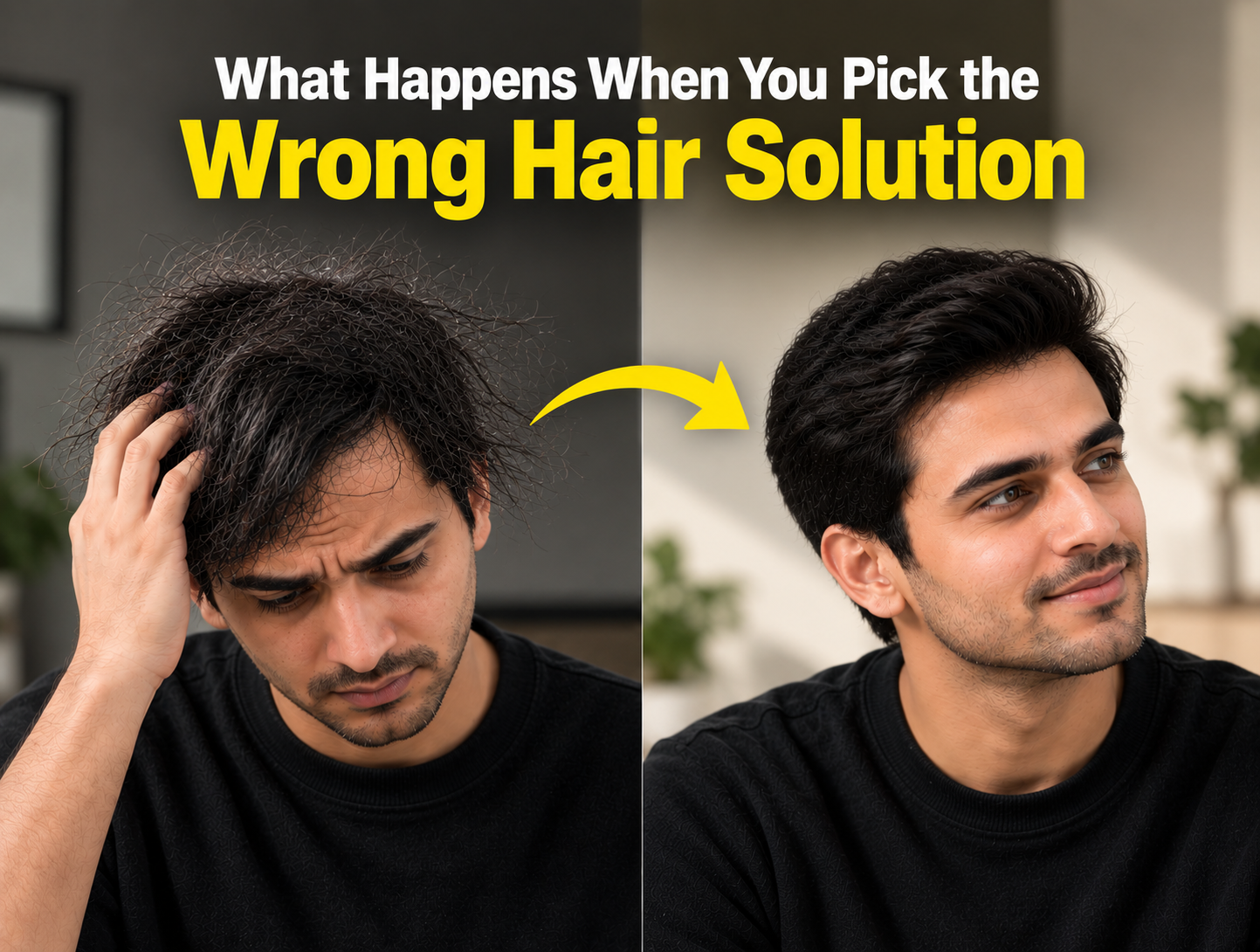
Choosing the wrong hair solution can create difficulties when the system does not match your hair loss, remaining natural hair, lifestyle, attachment preference, appearance goals, or maintenance expectations. In Non-Surgical Hair Replacement, the choice between a Clip-On Hair System and a Stick-On Hair System should depend on your individual needs. A Clip-On system may suit someone who prefers removability and has suitable natural hair for attachment, while a Stick-On system may suit someone who prefers more continuous wear and is comfortable with its fitting requirements. Understanding these differences can help you choose a hair system that fits naturally into your everyday routine.
Call us 📞+91 9222666111 today for personalized guidance on hair loss solutions! 📍 Book your consultation now at www.americanhairline.com and start your journey with Non Surgical Hair Replacement today. 👉 [Fill out this form for personalised advice.]