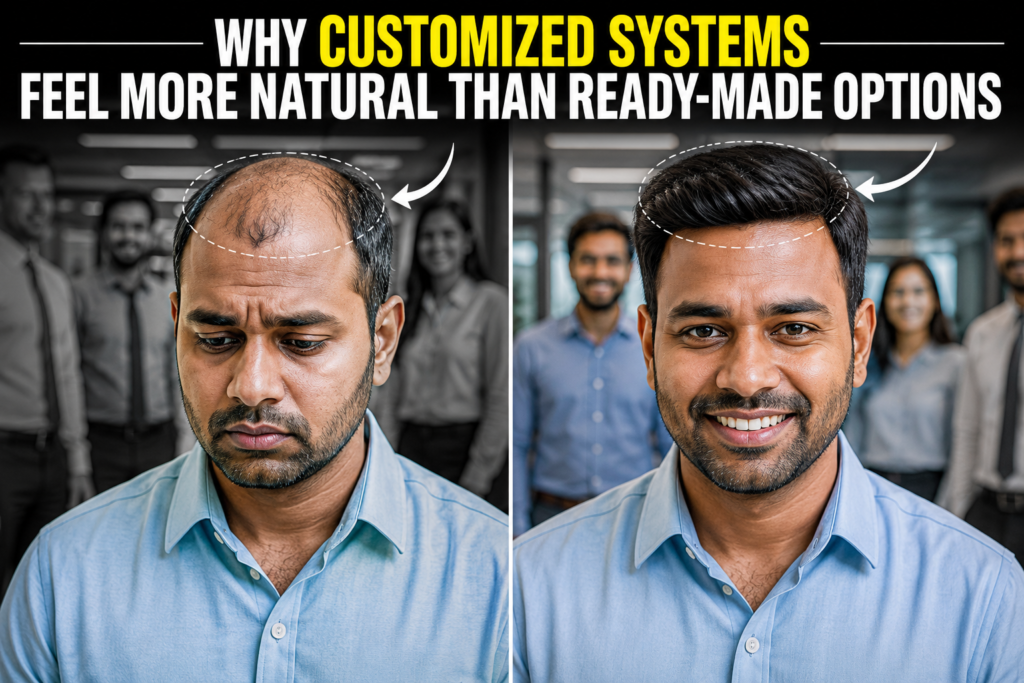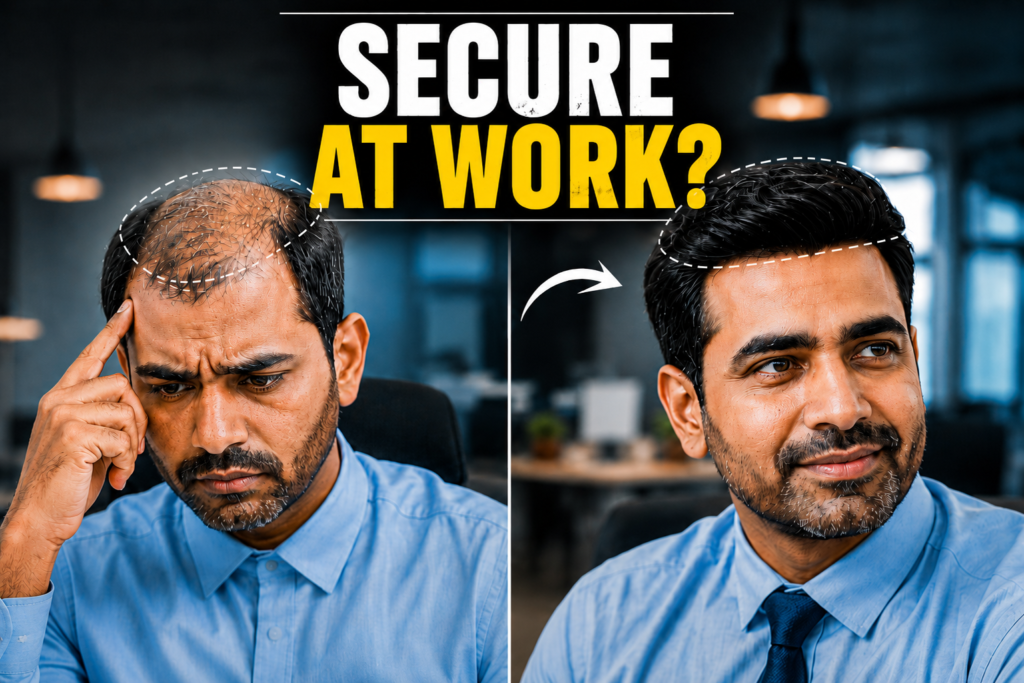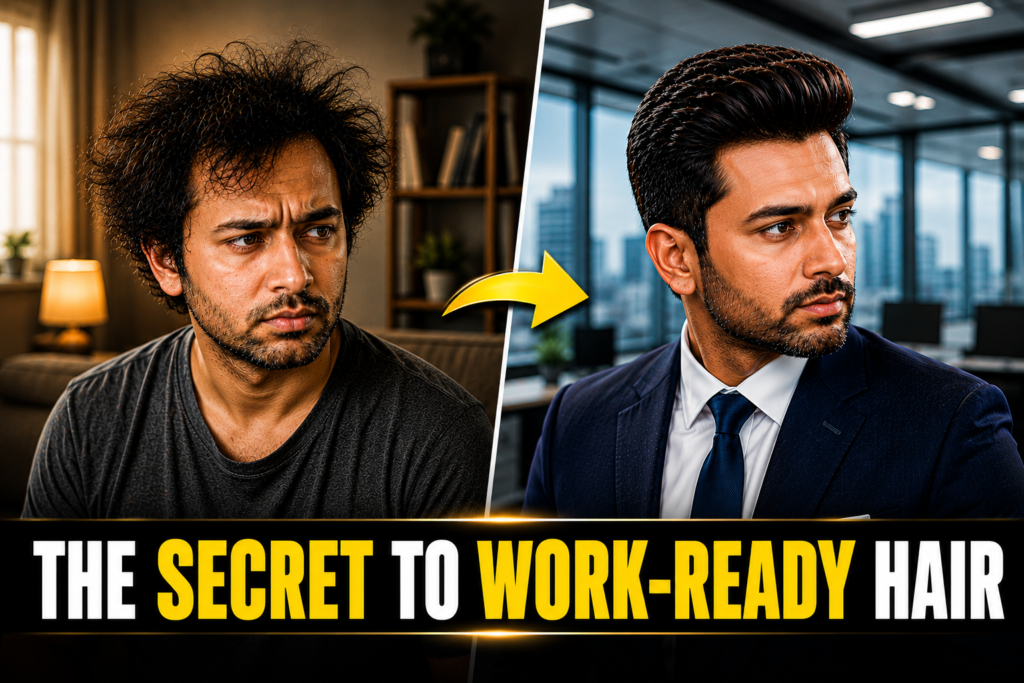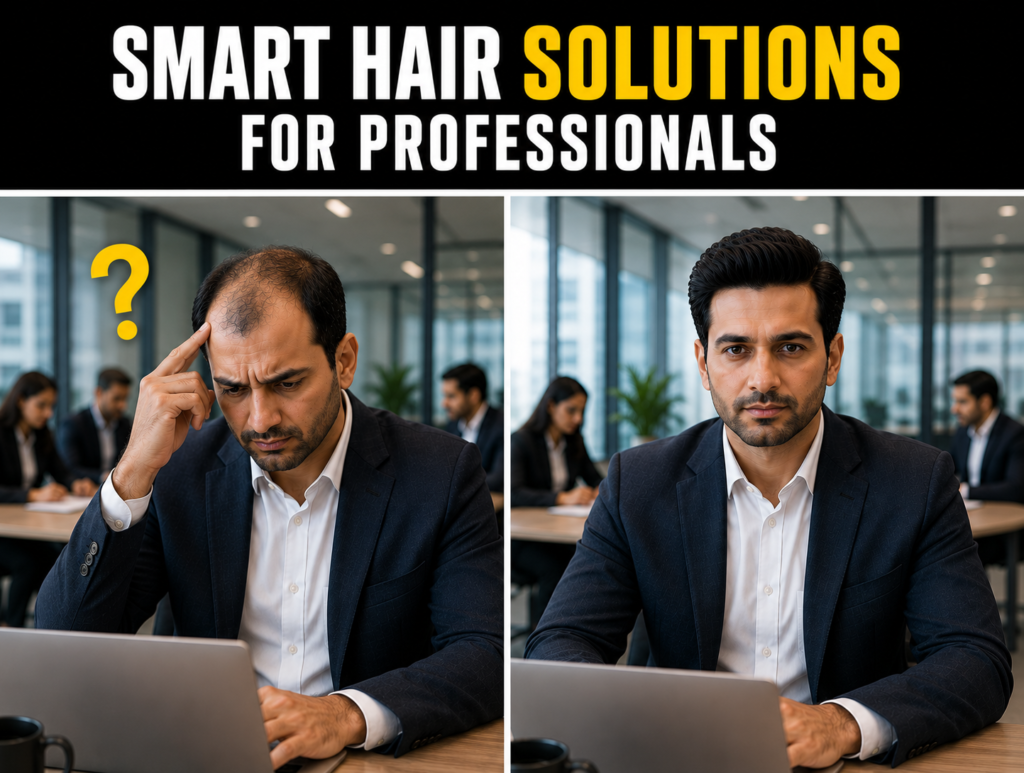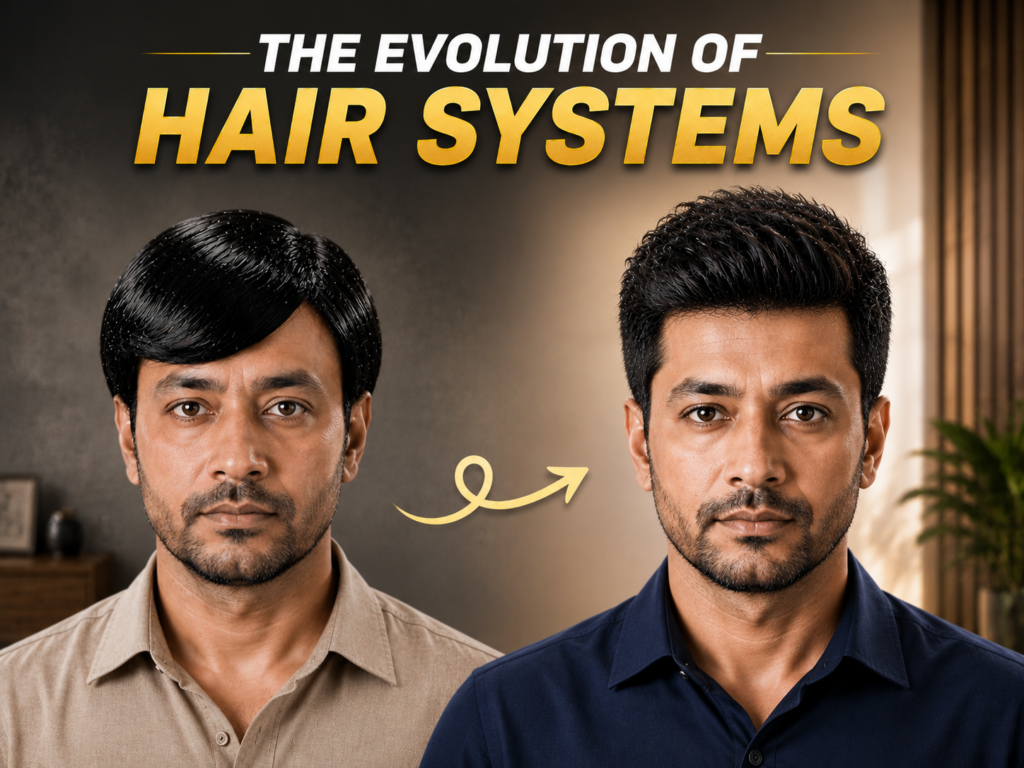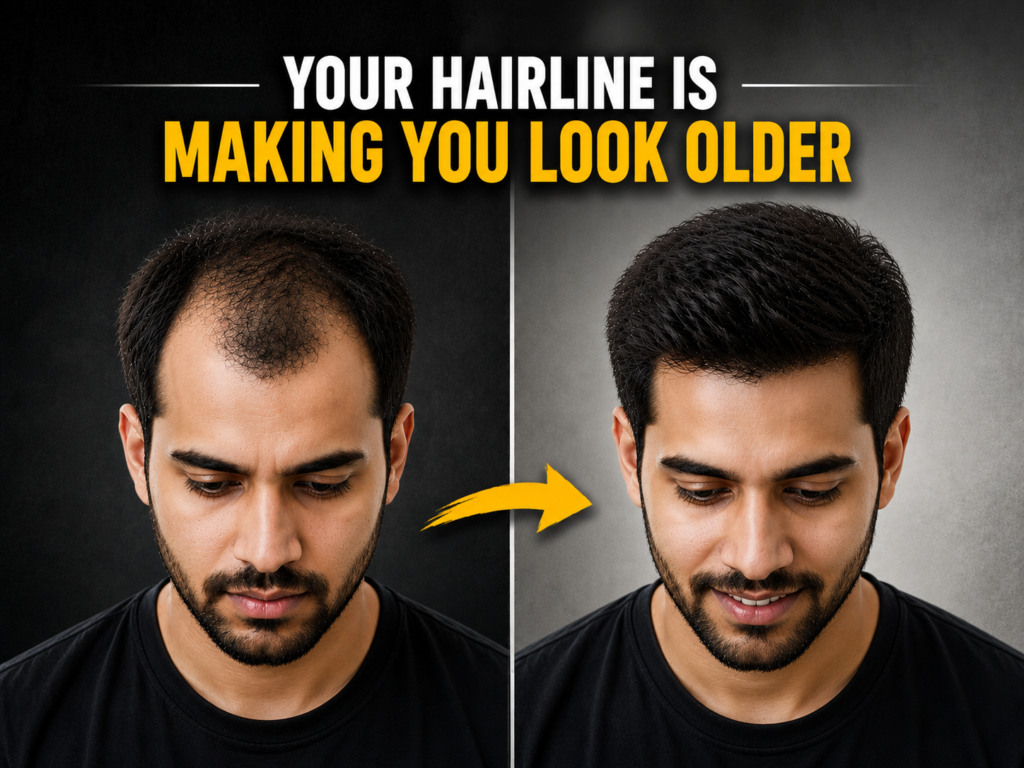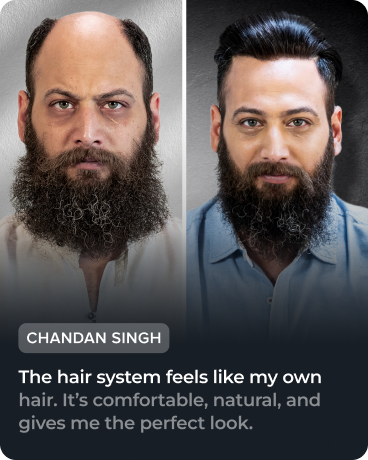

Hair loss decisions are rarely made in calm, rational moments.
They are triggered quietly, a photo taken from an unflattering angle, harsh office lighting that exposes thinning, a casual comment from someone close, or the slow realization that the person in the mirror no longer reflects how you feel inside.
For decades, hair transplants have been positioned as the ultimate solution.
The language used around them is powerful: permanent, natural, one time fix.
And on paper, permanence feels comforting.
But real life is not static.
And permanence, in a changing life, often becomes a limitation rather than an advantage.
Daily life includes sweat, stress, aging, shifting hair patterns, professional exposure, and social visibility. When hair solutions are judged against these real conditions, not clinic lighting or marketing promises, many men begin to question whether surgical solutions truly hold up long term.
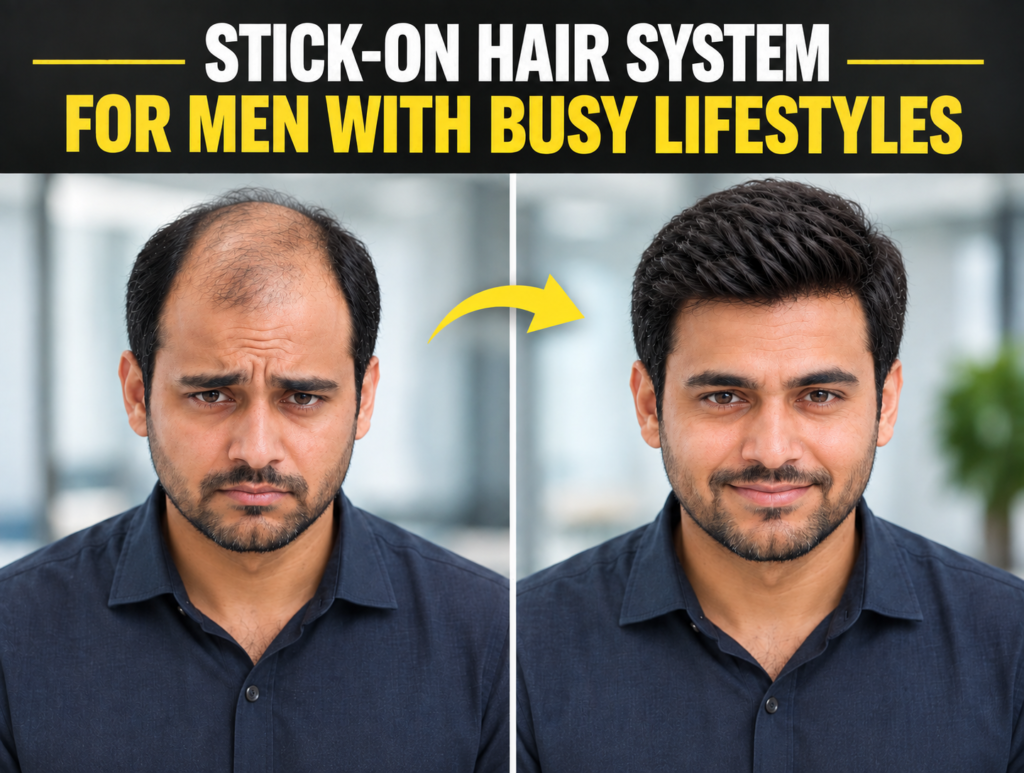
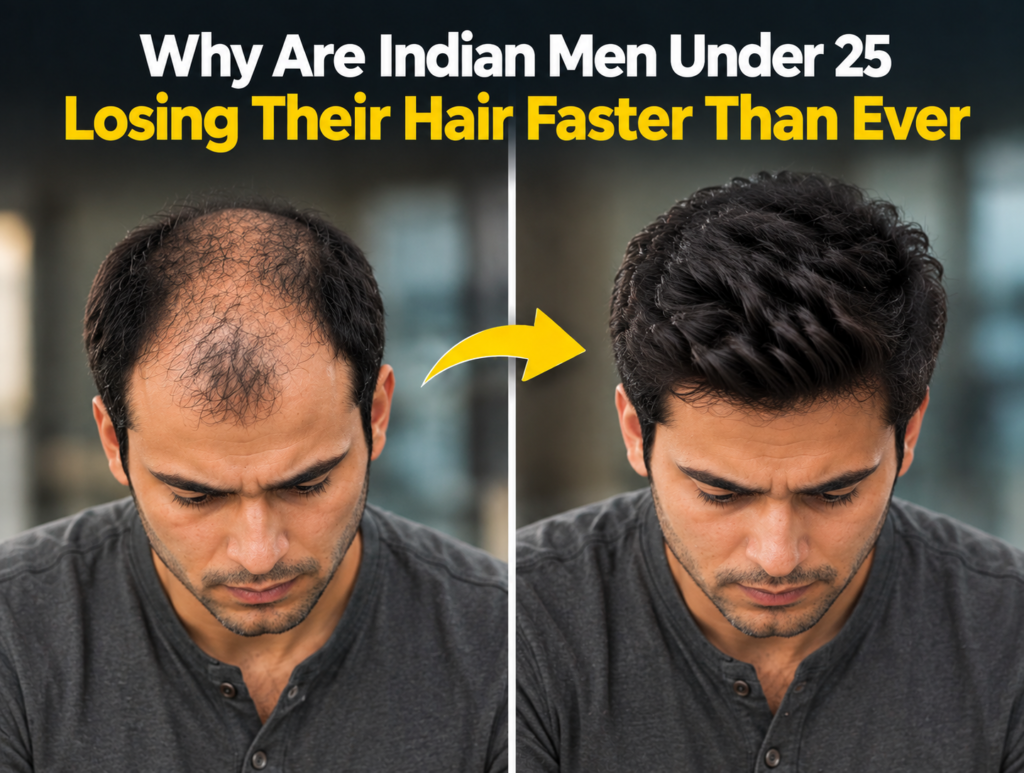
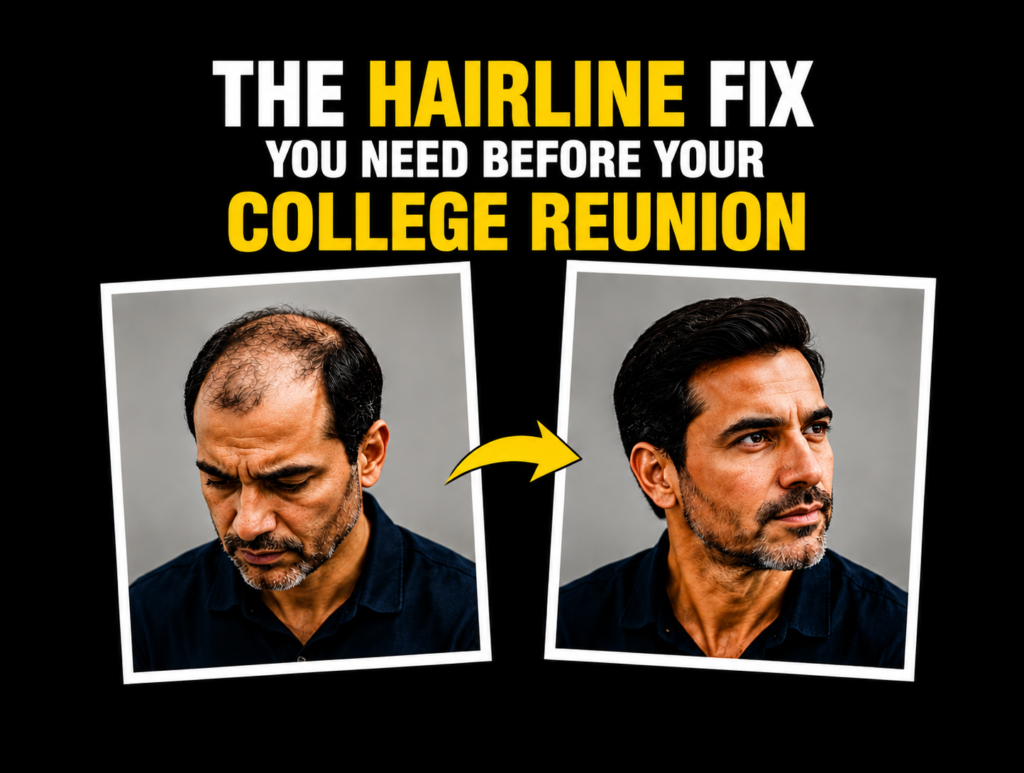
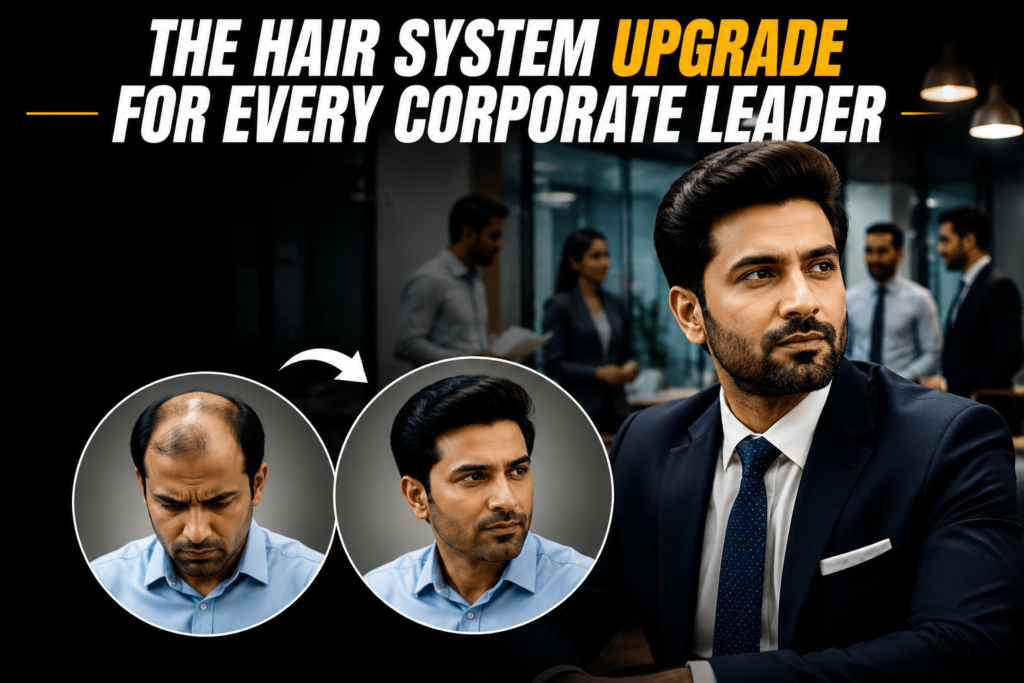
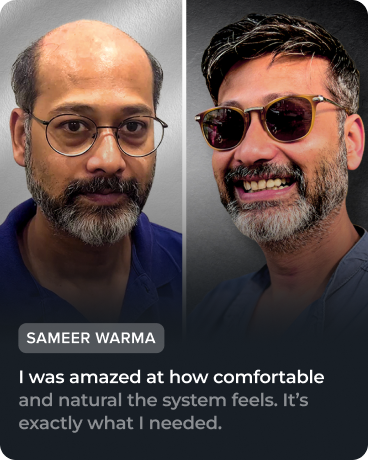
This is why a growing number of men are turning toward stick on hair systems, not out of fear, but out of realism.
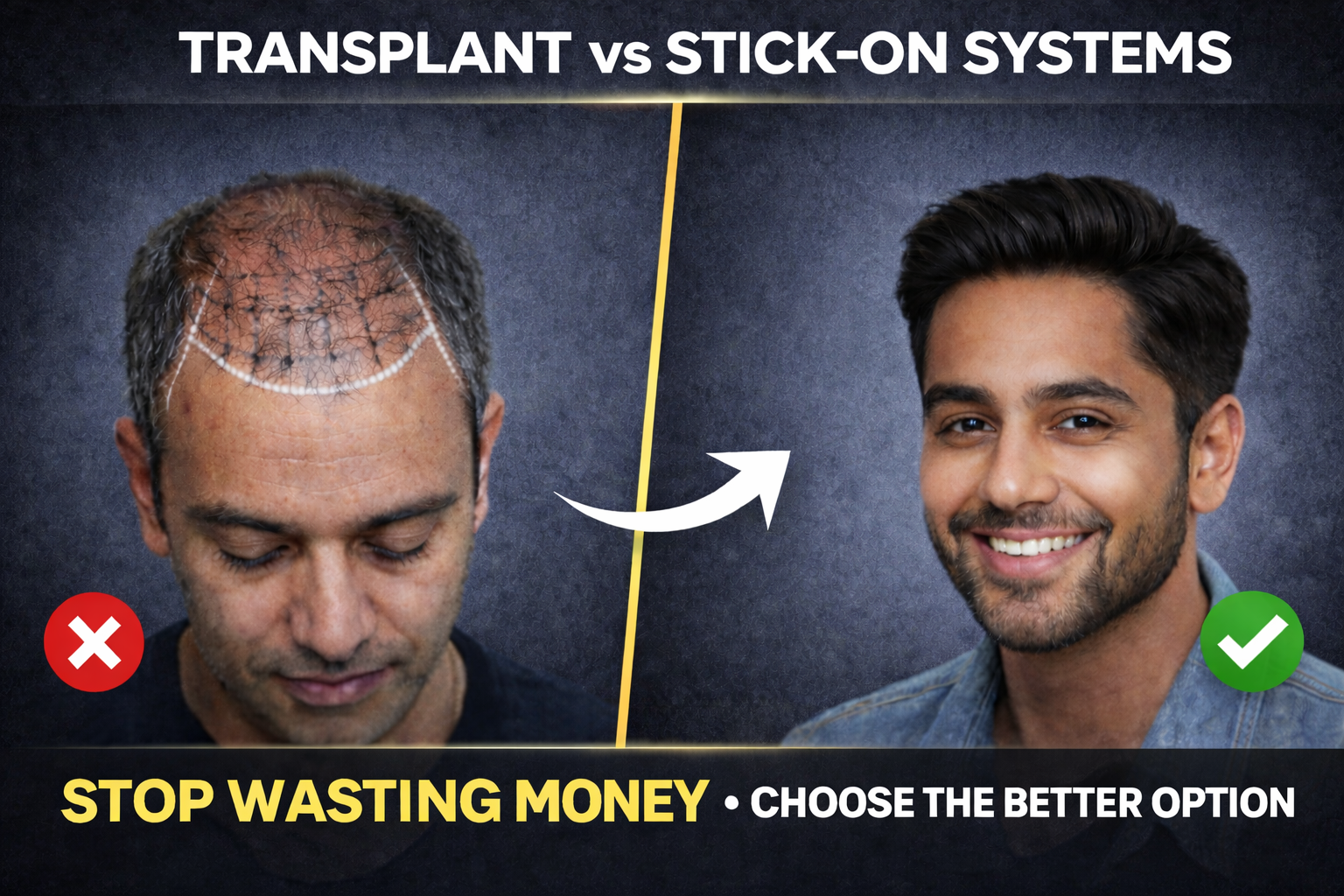
Below are eight real world tests where stick on hair systems consistently outperform hair transplants when evaluated by everyday life, not ideal scenarios.
| Table of Contents |
Hair Loss Is Progressive, Transplants Are Static
Hair loss does not stop once a procedure is done.
It continues quietly, driven by genetics, hormonal sensitivity, stress, lifestyle habits, and natural aging.
A hair transplant is a decision locked into a single moment in time.
The hairline design, density, and placement chosen that day remain permanent, even as the scalp around it continues to change.
As surrounding hair thins, the contrast becomes visible.
What once looked balanced can begin to appear disconnected, patchy, or unnatural years later. Many men only realize this when correction options are limited.
Stick on hair systems are designed for progression.
They evolve alongside hair loss. Density can be adjusted, coverage expanded, and hairline design refined gradually, without forcing irreversible decisions.
In real life, solutions that adapt outperform solutions that resist change.
Real World Appearance Matters More Than Hair Origin
There is a common assumption that because transplanted hair is “your own,” it will always look natural.
In controlled clinic environments, this often appears true.
But real life is far less forgiving.
Overhead office lights, direct sunlight, camera flashes, sweat, movement, and close social interactions expose inconsistencies. Gaps, uneven density, and scalp visibility become more noticeable, especially over time.
Stick on hair systems are designed around visual consistency, not biology.
Professional systems deliver uniform density, controlled hairline softness, and predictable appearance across all lighting conditions.
This is why they often look better in photos, videos, meetings, and social settings, the moments where confidence is actually tested.
In the real world, perception matters more than origin.
Surgical Risk Is a Cost Many Men Underestimate
Hair transplants are medical procedures.
Even with modern techniques, they involve anesthesia, physical trauma to the scalp, and an unavoidable recovery period.
Beyond surgery, men experience scabbing, redness, shedding phases, shock loss, and months of uncertainty before results stabilize. During this time, visibility is high and confidence is often at its lowest.
There is also the emotional burden of waiting, hoping the outcome will justify the pain, time, cost, and disruption to daily life.
Stick on hair systems eliminate medical risk entirely.
No surgery. No healing. No waiting months to see results.
The outcome is immediate and adjustable. If something doesn’t feel right, it can be corrected without damage or regret.
For many men, avoiding medical risk is not a preference, it’s a priority.
Control Is More Valuable Than Permanence
Permanence sounds appealing until you realize it removes choice.
Once a transplant is done, reversing or correcting it is difficult, expensive, and sometimes impossible. If hair loss progresses faster than expected, or personal aesthetics change, options become limited.
Stick on hair systems offer continuous control.
Control over density, hairline design, hairstyle, timing, and even continuation itself.
This sense of agency reduces anxiety. Men are no longer locked into a single irreversible decision, they are actively involved in how they look at every stage of life.
In real life, control creates confidence, permanence often removes it.
Long Term Cost Is About Predictability, Not Entry Price
Many men choose transplants believing they are making a one time investment.
What often follows is a chain of additional costs, medications, PRP sessions, follow up procedures, corrective work, or future transplants as hair loss progresses.
The financial journey becomes unpredictable.
Stick on hair systems offer transparency.
Costs are known, planned, and controlled by the wearer. There are no medical dependencies, no forced timelines, and no surprise interventions.
Predictable cost reduces long term stress, something rarely discussed but deeply felt.
Aging Gracefully Requires Flexibility
Hairlines and density that look appropriate at 30 often look unnatural at 45.
Facial structure changes.
Hair texture changes.
Personal style matures.
Permanent hairlines struggle to evolve naturally. Over time, they may appear too sharp, too dense, or inconsistent with the rest of the scalp.
Stick on hair systems allow gradual, age appropriate adjustments.
Density can soften, hairlines can mature, and styles can evolve without looking artificial or forced.
Realism is not about how hair looks today, it’s about how it ages over time.
Transplants Are Unsuitable for a Large Group of Men
Despite marketing narratives, hair transplants are not ideal for everyone.
Men with aggressive hair loss, limited donor areas, scarring concerns, or high density expectations often experience disappointment. Others simply do not want surgery, scars, or long term medical dependency, regardless of outcome.
Stick on hair systems bypass these limitations entirely.
They do not rely on donor hair, healing capacity, or biological response.
This makes them suitable for a far wider range of men across age groups, professions, and hair loss patterns.
Suitability matters more than popularity.
Final Verdict: What Truly Works in Real Life
Hair transplants attempt to end the problem.
Real life keeps changing it.
When evaluated through real world conditions, appearance, risk, aging, cost predictability, adaptability, and long term satisfaction, stick on hair systems consistently outperform transplants.
For men who value confidence without compromise and flexibility without fear, the real world winner is clear.
Call us 📞+91 9222666111 today for personalized guidance on hair loss solutions! 📍 Book your consultation now at www.americanhairline.com and start your journey with Non Surgical Hair Replacement today. 👉 [Fill out this form for personalized advice.]