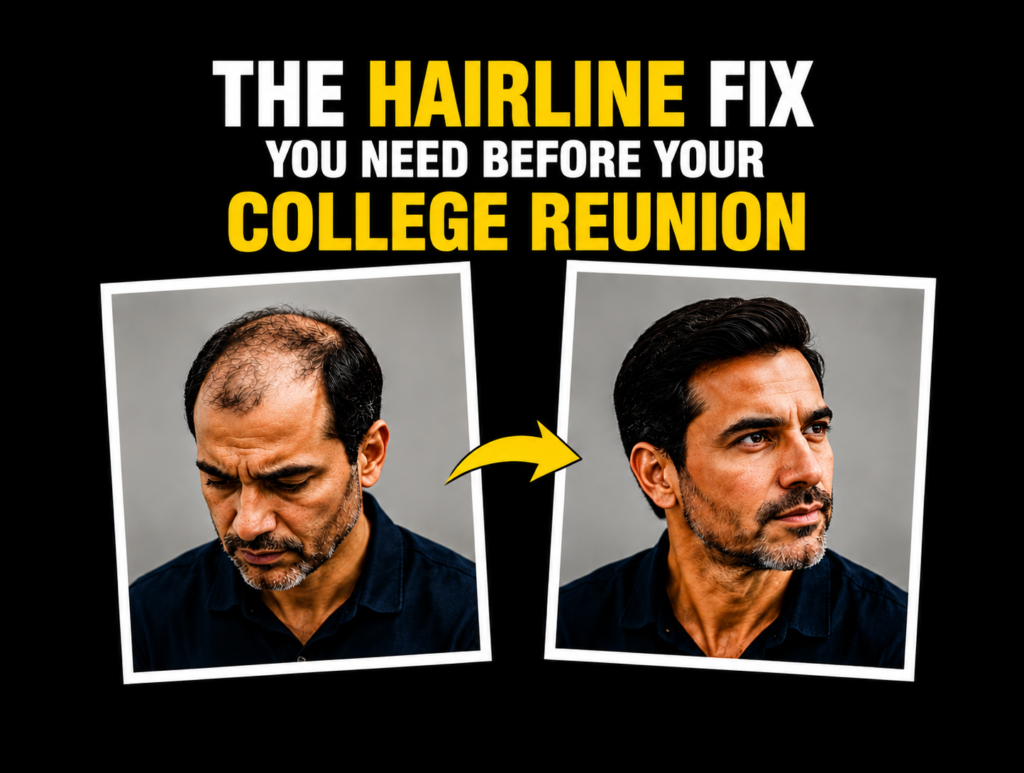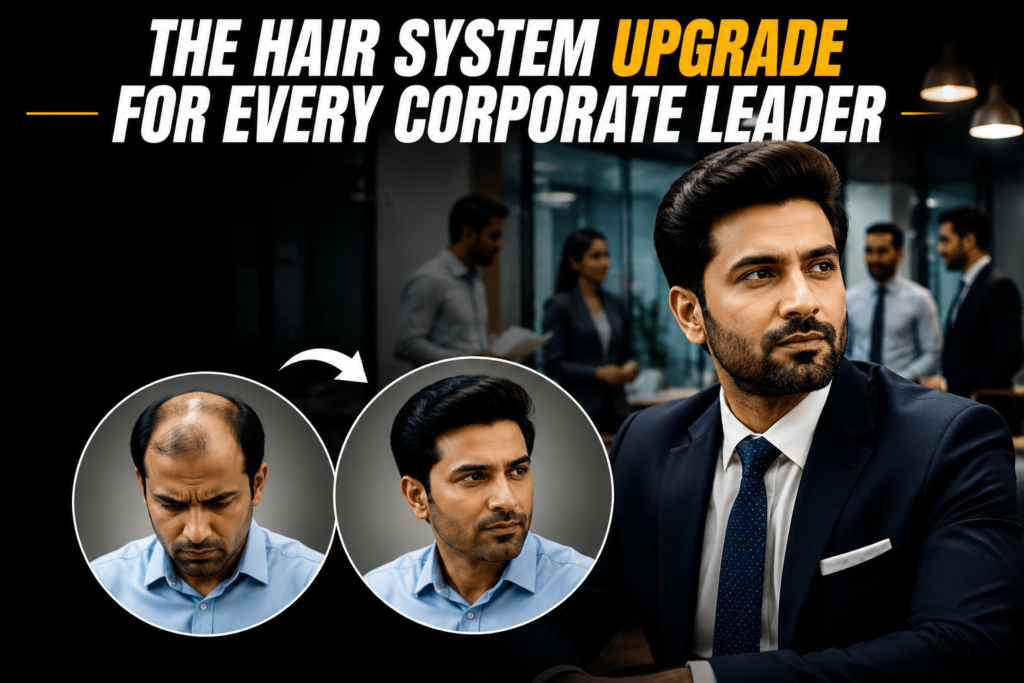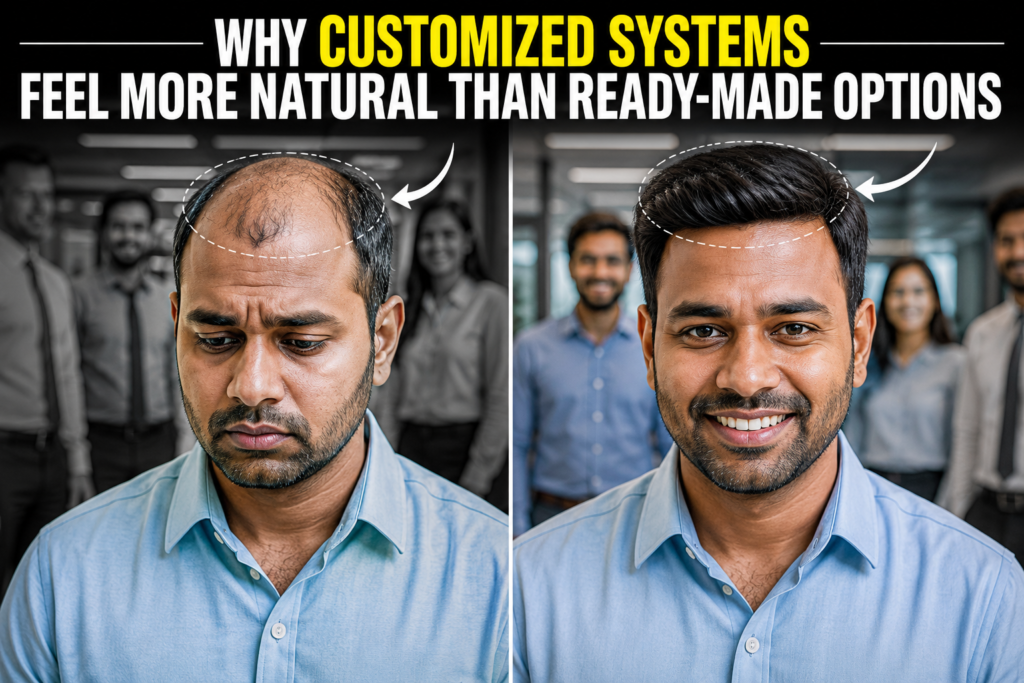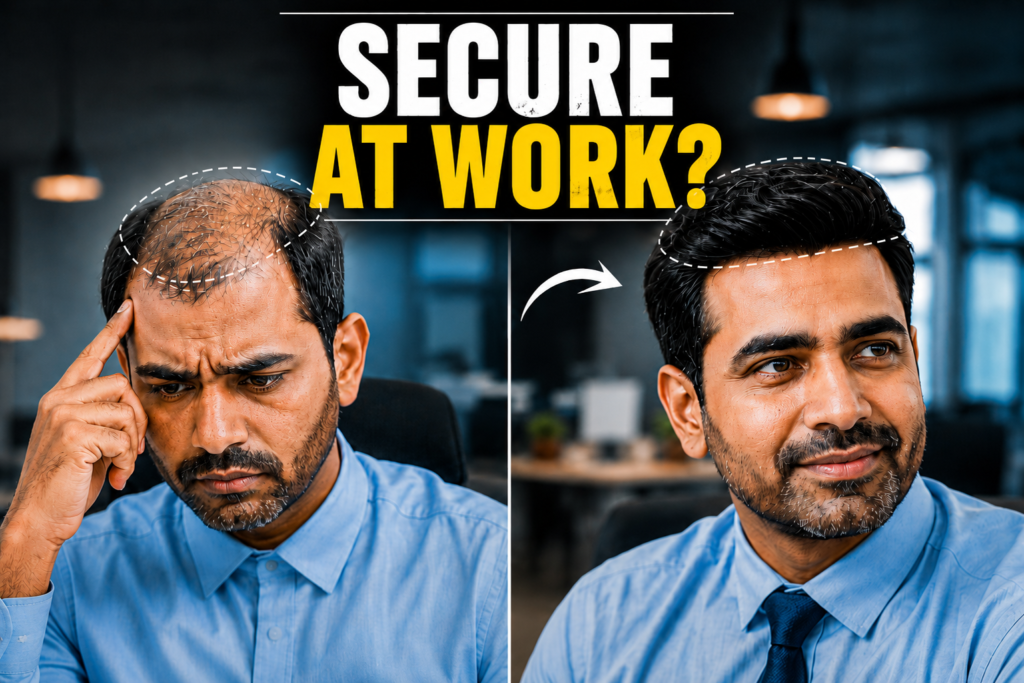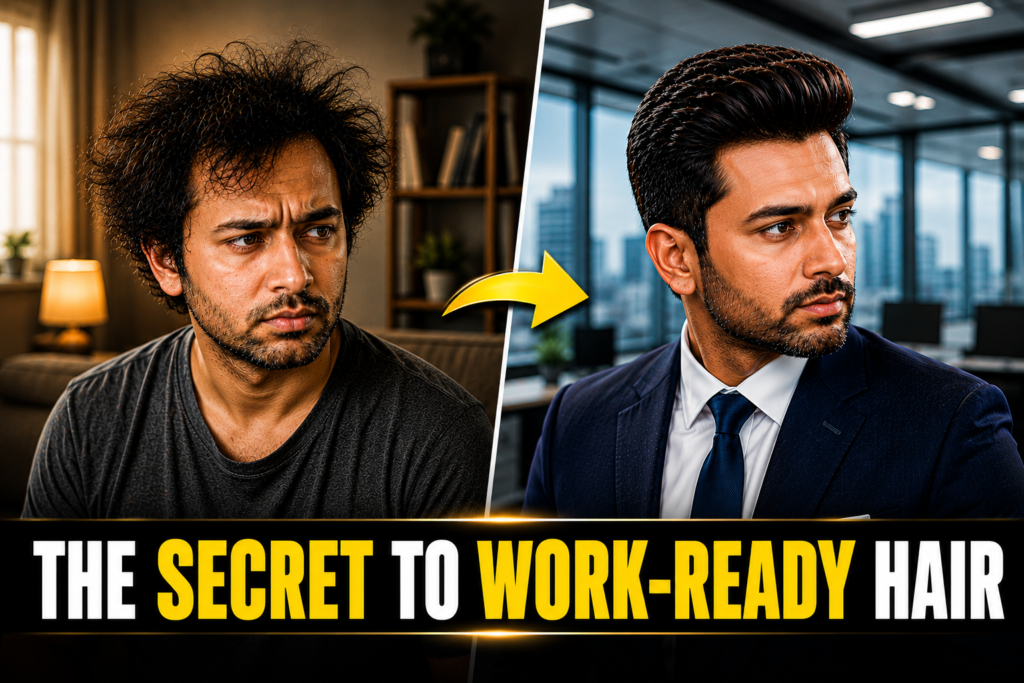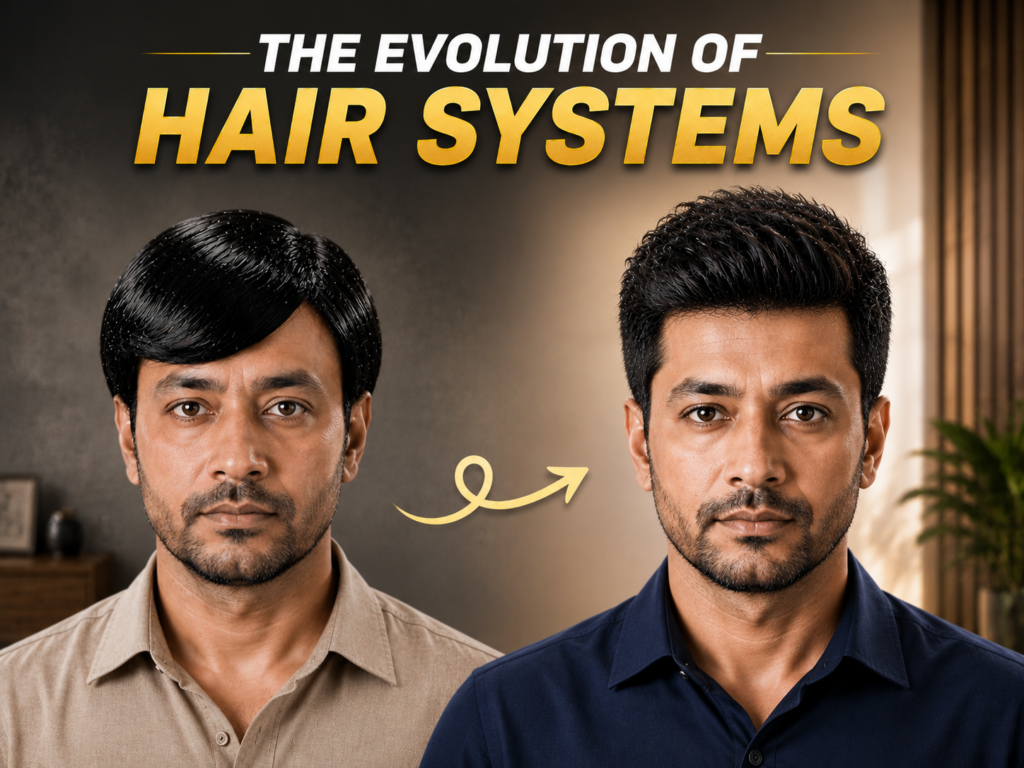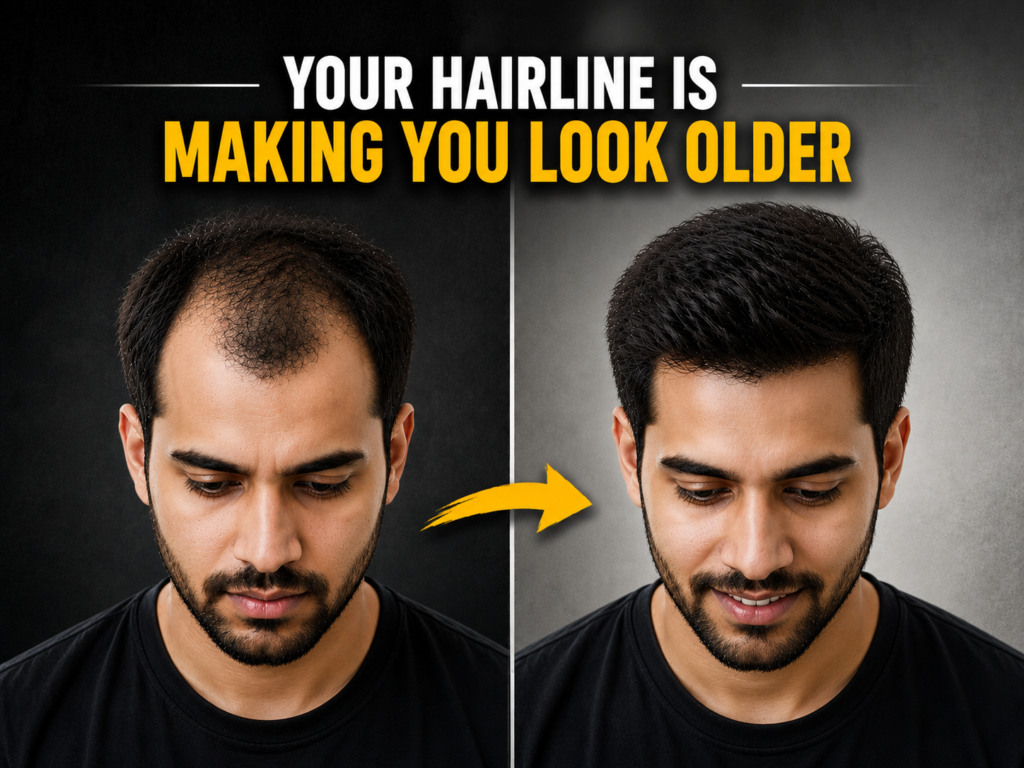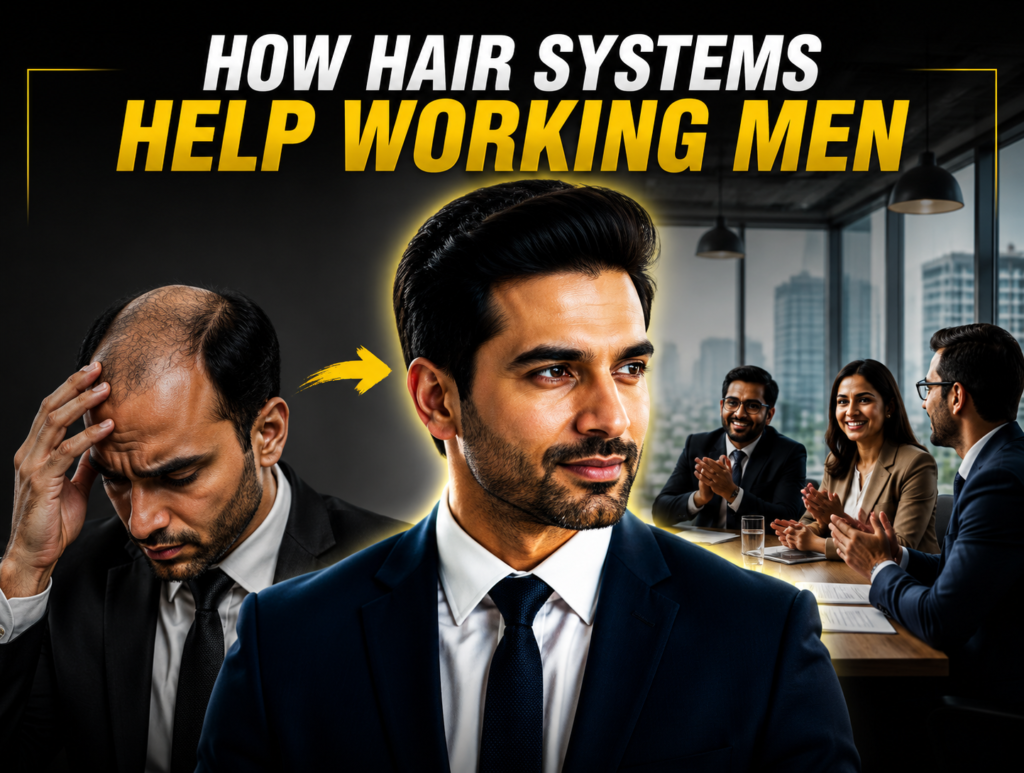

Hair loss affects millions of men and can impact more than just appearance – it often influences confidence, social interactions, and professional presence. While genetics are the most common cause, factors like stress, lifestyle, and poor nutrition can also contribute to thinning hair. Today, hair transplants and non surgical hair systems are two of the most popular solutions, each offering a different approach to restoring hair.
For busy professionals and men with active lifestyles, the right choice depends on more than just results. Recovery time, maintenance, cost, and convenience all play an important role. In this guide, we’ll compare hair transplants and non surgical hair systems to help you determine which option best suits your lifestyle and hair restoration goals.
Hair Transplants vs Non-Surgical Hair Systems
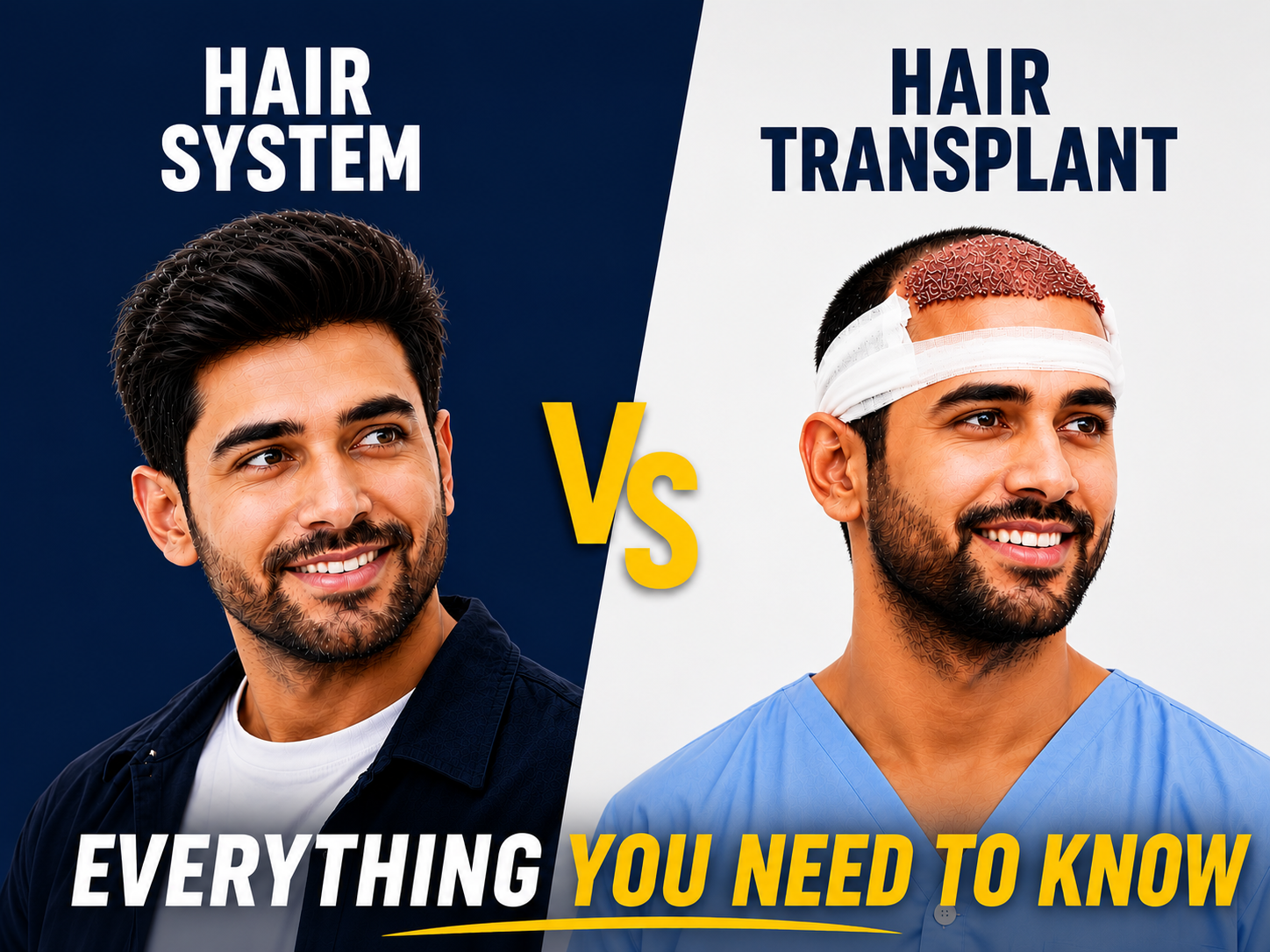
Although both hair transplants and non surgical hair systems are designed to restore the appearance of fuller hair, they work in very different ways. A hair transplant is a surgical procedure that moves healthy hair follicles from the donor area to thinning or bald regions, with results developing gradually over several months. A non surgical hair system, on the other hand, is a customized hair replacement solution that provides an instant transformation without surgery. Understanding these differences is the first step in choosing the option that best fits your lifestyle, expectations, and hair restoration goals.
Although both hair transplants and non surgical hair systems are designed to restore the appearance of fuller hair, they work in very different ways. A hair transplant is a surgical procedure that moves healthy hair follicles from the donor area to thinning or bald regions, with results developing gradually over several months. A non surgical hair system, on the other hand, is a customized hair replacement solution that provides an instant transformation without surgery. Understanding these differences is the first step in choosing the option that best fits your lifestyle, expectations, and hair restoration goals. While both options can effectively address hair loss, the right choice depends on your individual needs.
If you’re looking for a permanent surgical solution and don’t mind waiting for results, a hair transplant may be suitable. However, if you prefer immediate results, minimal downtime, and a solution that fits a busy lifestyle, a customized non surgical hair system offers greater convenience and flexibility.
Results Timeline
Time is often one of the biggest deciding factors when choosing a hair restoration solution, especially for men balancing demanding careers, business travel, client meetings, and social commitments. While both hair transplants and non surgical hair systems restore the appearance of fuller hair, the timeline for results is very different.
Hair Transplant
A hair transplant is a gradual process. Although the procedure is completed in a day, visible results take time as the transplanted hair goes through its natural growth cycle.
What to expect:
- Hair shedding is common during the first few weeks after the procedure.
- New hair growth usually begins after 3–4 months.
- Fuller, more noticeable results typically appear within 6–12 months.
- The final outcome continues to improve gradually over time.
Non-Surgical Hair System
A non surgical hair system delivers an instant transformation without the need for surgery or a waiting period. Once the system is customized, fitted, and styled, you can enjoy a fuller head of hair immediately.
Ideal for men who:
- Need immediate results for a wedding or special event.
- Frequently attend business meetings or presentations.
- Work in client-facing or public-facing roles.
- Travel regularly and can’t afford recovery time.
- want a natural-looking solution without surgery.
For busy professionals who value convenience and immediate confidence, a hair replacement system offers visible results from day one.
Downtime and Recovery
Choosing a hair restoration method isn’t just about appearance-it also affects your schedule.
Hair Transplant Recovery
Since a hair transplant is a surgical procedure, some recovery time is unavoidable. It’s common to experience mild swelling, redness around the scalp, small scabs, and temporary tenderness during the first few days after treatment. To support proper healing, doctors typically recommend avoiding strenuous exercise, swimming, excessive sweating, and prolonged sun exposure for a short period. Depending on your profession and comfort level, you may also choose to take a few days off before returning to work, meetings, or public interactions. While these precautions are temporary, they can be challenging for professionals with busy schedules or limited time away from work.
Recovery After a Non-Surgical Hair System
Unlike a hair transplant, a non surgical hair system requires no surgery, stitches, or healing time. Once the fitting is complete, most people can return to work, attend meetings, socialize, or continue their daily routine almost immediately. This makes it an excellent choice for entrepreneurs, executives, sales professionals, consultants, and anyone with a busy, client-facing lifestyle. Many people even schedule their appointment over a weekend and return to work the next day with renewed confidence. For men who can’t afford extended downtime, the convenience and instant results of a customized hair system are among its biggest advantages.
Natural Look & Styling
Regardless of which hair restoration option you choose, the ultimate goal is to achieve a natural-looking result that complements your facial features and personal style. Hair transplants can produce natural outcomes because they use your own hair follicles. However, the final appearance depends on several factors, including the quality of your donor hair, graft placement, hair characteristics, and the surgeon’s expertise. For men with limited donor hair, achieving greater density across larger bald areas may not always be possible.
A customized hair system offers greater control over the final look, as it is designed specifically to match your existing hair. Every system is tailored to create a seamless blend, making it difficult to distinguish from natural hair.
A customized hair system can be matched to your:
- Hair colour
- Hair texture
- Hair density
- Curl pattern
- Hairline design
- Preferred hairstyle
Modern hair replacement systems are lightweight, breathable, and comfortable enough for everyday wear. They also offer excellent styling flexibility. Whether you prefer a professional side part, textured crop, quiff, or modern fade, a stick on hair system or clip on hair system can be cut and styled to suit your preferences. Instead of changing your hairstyle to suit the system, today’s customized hair systems are designed to suit your individual style.
Maintenance & Lifestyle
Hair Transplant Maintenance
Once the healing process is complete, a hair transplant generally requires less day-to-day maintenance than many people expect. The transplanted hair grows naturally, allowing you to wash, cut, style, and groom it just like the rest of your hair. However, it’s important to understand that a hair transplant only restores hair to specific areas and does not prevent future hair loss in untreated regions. If your natural hair continues to thin over time, you may notice uneven density around the transplanted area. To maintain consistent results, some individuals choose to use prescribed medications or undergo additional hair restoration treatments. Regular check-ups with your hair restoration specialist can help monitor progress and recommend the best approach for preserving your long-term appearance.
Non-Surgical Hair System Maintenance
A non-surgical hair system requires regular maintenance to keep it looking natural, comfortable, and securely fitted. Professional servicing typically includes removing the system, cleaning both the scalp and the base, replacing adhesives or tapes when required, trimming the natural hair underneath, and refitting the system to ensure a seamless blend. The maintenance schedule varies depending on the type of hair system you choose, your attachment method, scalp condition, lifestyle, and how quickly your natural hair grows. With proper at-home care and routine professional servicing, a quality hair system can continue to deliver a realistic appearance and dependable performance for everyday wear.
There are two main types of non-surgical hair systems, and the right one depends on how you plan to wear it.
Stick On Hair System
A stick on hair system is attached using medical-grade adhesives or tapes, allowing it to remain securely in place for days or even weeks, depending on the attachment method and maintenance routine. Because it is designed for continuous wear, it offers greater convenience for people who want a hair solution that becomes part of their daily life. Once fitted, you can continue with most regular activities while following the recommended maintenance schedule.
A stick on hair system is generally best suited for individuals who:
- Wear their hair system every day.
- Have an active lifestyle that includes gym workouts or sports.
- Swim or spend time outdoors regularly.
- Travel frequently for work or leisure.
- Prefer a secure, long-wear solution with minimal daily effort.
Clip On Hair System
A clip on hair system is designed for flexibility and convenience. Instead of adhesives, it uses small clips that attach securely to your existing hair, allowing you to wear or remove the system whenever needed. This makes it an excellent option for those who don’t require a hair system every day or prefer the freedom to take it off at home.
A clip on hair system is generally best suited for individuals who:
Want a simple, non-permanent option that can be applied and removed within minutes.
Need a hair solution only for specific occasions.
Wear it for office meetings, social gatherings, or special events.
Are trying a hair system for the first time.
Prefer removing the system before sleeping, showering, or exercising.
Cost Comparison
Cost is often one of the first factors people consider when choosing a hair restoration solution. However, comparing only the initial price doesn’t provide the complete picture. It’s equally important to consider factors such as recovery time, ongoing maintenance, convenience, and how well the solution fits your lifestyle.
A hair transplant generally involves a higher upfront investment because it is a surgical procedure performed by trained specialists. The overall cost depends on factors such as the extent of hair loss, the number of grafts required, the complexity of the procedure, and the clinic’s expertise. Since hair loss may continue over time, some individuals may also require medications or additional procedures to maintain a balanced appearance.
A non surgical hair system typically has a lower initial cost than surgery but requires regular maintenance and periodic replacement to keep it looking natural and performing at its best. Professional servicing helps maintain the bond, clean the system, and ensure it continues to blend seamlessly with your existing hair.
Rather than asking, “Which option is cheaper?”, it’s more helpful to ask which solution best suits your lifestyle, budget, and expectations. If you’re looking for a long-term surgical approach and are comfortable with the recovery period, a hair transplant may be the right choice. If you value immediate results, flexibility, and minimal disruption to your routine, a hair replacement system may offer better overall value. The best investment isn’t necessarily the least expensive one—it’s the one that fits your lifestyle and helps you feel confident every day.
Which Option Is Right for You?
Hair Transplant May Be Right If You
A hair transplant can be a suitable option if you have enough healthy donor hair and are looking for a long-term surgical solution. It is ideal for people who are comfortable undergoing a procedure, can manage the recovery period, and are willing to wait several months for the transplanted hair to grow naturally. Results develop gradually and may require patience before the final outcome is visible.
Non-Surgical Hair System May Be Right If You
A non-surgical hair system is a great choice if you want an immediate improvement in your appearance without surgery. It is especially beneficial for people with moderate to advanced hair loss or limited donor hair. Custom-designed to match your natural hair, it provides instant, natural-looking results while allowing you to maintain an active lifestyle with minimal downtime.
Which Option Is Best?
The best solution depends on several factors, including your hair loss pattern, donor hair availability, lifestyle, budget, and personal expectations. Both options have their own advantages, and there is no one-size-fits-all answer. A consultation with a qualified hair restoration specialist can help you understand your options and choose the solution that best meets your current and long-term goals.
Frequently Asked Questions
Is a hair transplant permanent?
A hair transplant is considered a long-term solution because it uses your own hair follicles. However, your existing natural hair may continue to thin over time, so some people may require additional treatments or medications to maintain overall hair density.
How long does a non-surgical hair system last?
The lifespan of a non surgical hair system depends on the type of system, your lifestyle, and how well it is maintained. With regular professional servicing and proper care, it can remain natural-looking and comfortable for everyday wear.
Can I go to the gym or swim with a non-surgical hair system?
Yes. A properly fitted stick on hair system is designed to stay secure during everyday activities, including gym workouts, swimming, sports, and travel. Following the recommended maintenance routine helps ensure the system performs at its best.
Which option provides faster results?
A non surgical hair system delivers immediate results, allowing you to leave with a fuller head of hair on the same day. In comparison, a hair transplant typically takes several months before new hair begins to grow and up to a year for full results.
Which option is better for advanced hair loss?
The best option depends on your hair loss pattern and donor hair availability. Men with extensive hair loss or limited donor hair may benefit more from a customized hair system, while those with sufficient donor hair who prefer a surgical approach may consider a hair transplant after consulting a qualified specialist.
Conclusion
Hair restoration has evolved significantly, giving men more choices than ever to address hair loss with confidence. Whether you choose a hair transplant or a non surgical hair system, the right solution depends on your hair loss pattern, lifestyle, budget, and long-term goals. While hair transplants offer a surgical approach with gradual, natural hair growth, a customized hair system provides immediate, natural-looking results without surgery or recovery time.
Ultimately, there is no one-size-fits-all solution. By understanding the differences in results, maintenance, cost, and convenience, you can make an informed decision that suits your everyday life. If you’re unsure which option is best for you, consult a qualified hair restoration specialist who can recommend the most suitable solution based on your individual needs and expectations.
Call us 📞+91 9222666111 today for personalized guidance on hair loss solutions!
📍 Book your consultation now at www.americanhairline.com and start your journey with Non Surgical Hair Replacement today.
👉 [Fill out this form for personalised advice.]